
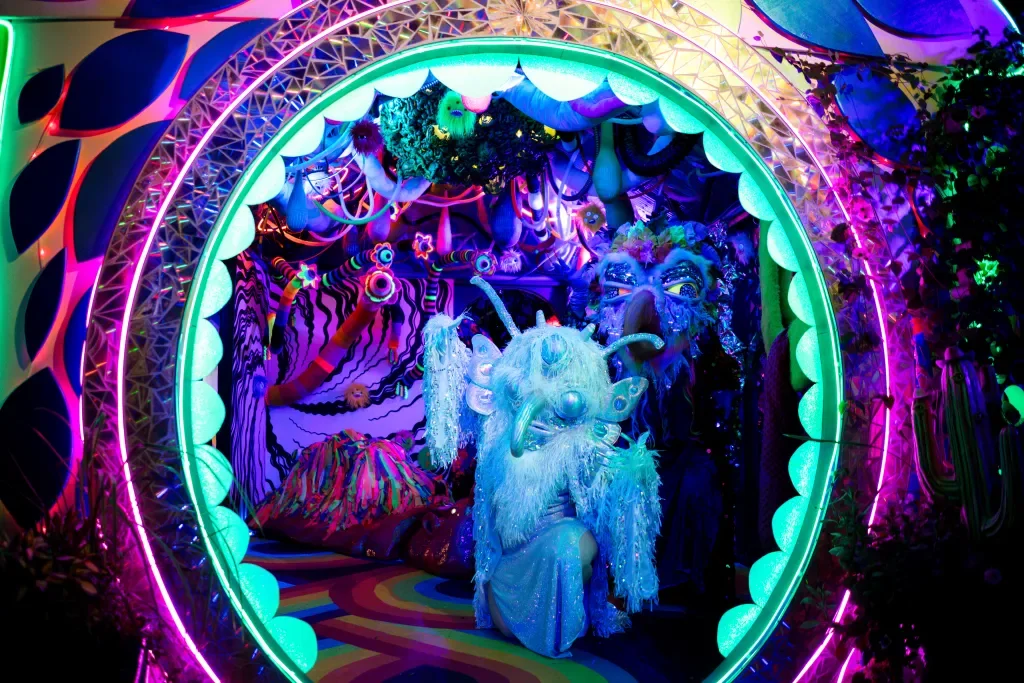
Plan a Halloween weekend around Denver with immersive art, haunted attractions, themed tea, and a free community celebration in Aurora.

Planning your Fourth of July in Denver? Discover the best fireworks, festivals, baseball, art shows, and family-friendly events happening across the city in 2026.
Denver has plenty of stories to tell after dark. Some just happen to involve haunted mansions, former cemeteries, unexplained happenings, and a few places that have made their way into Hollywood horror.
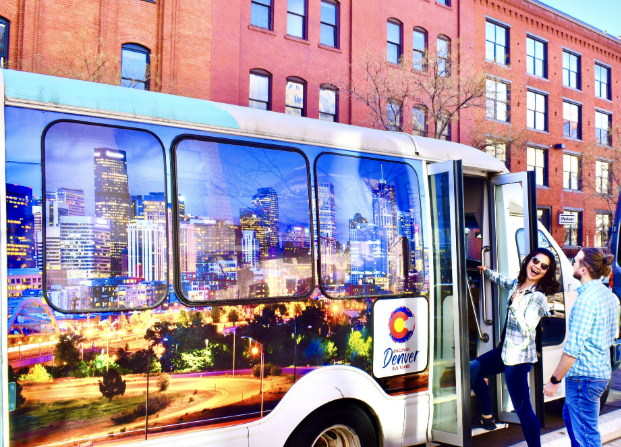
For a different kind of fall night out, Denver After Dark: The Haunted Denver Bus Tour takes you through Capitol Hill and Cheesman Park, two of the city's most historic neighborhoods, while sharing the history, legends, and paranormal stories connected to the area.
The approximately two-hour tour begins at the Denver Public Library Central Branch and travels through Capitol Hill and Cheesman Park aboard a climate-controlled 14-passenger shuttle.
Along the way, guides share stories connected to historic mansions, former burial grounds, and some of Denver's most talked-about haunted locations. Stops and sights include Cheesman Park, the Molly Brown House, Croke-Patterson Mansion, and Peabody-Whitehead Mansion, along with locations associated with the films The Changeling and Poltergeist.
The tour blends documented Denver history with local legends and reported paranormal activity, making it as much a history tour as a spooky night out.
One of the most intriguing parts of the tour is Cheesman Park. Before it became one of Denver's best-known parks, the area was a cemetery, and its complicated history has become part of the neighborhood's enduring ghost lore. The tour explores what is historically documented alongside the stories and legends that developed around the site over the years.
And because you are exploring from the warmth of a small shuttle, you can take in Denver's darker side without spending two hours walking around in the October chill.
Denver After Dark's public bus tours run Friday and Saturday evenings in September and Thursday through Sunday in October, with additional dates available depending on the schedule. The tour departs from the Denver Public Library Central Branch at 10 W. 14th Avenue Parkway and returns to the library at the end of the experience.
The tour is recommended for ages 10 and up, and space is limited to 14 guests per tour. Tickets currently start at $39 per guest.
If you have explored Denver's usual fall favorites and want something with a little more mystery, this is a fun way to see a familiar part of the city from a completely different perspective.

If you are looking for a very Colorado way to spend a fall afternoon, head southwest of Denver and get a little lost.
The Denver Botanic Gardens at Chatfield Farms has brought back its annual Giant Corn Maze for 2026, and this year's design celebrates a major Colorado milestone: the state's 150th anniversary. The 8-acre maze incorporates Colorado state symbols into its twists, turns, and dead ends, making this year's experience feel especially fitting for the Centennial State.
The main attraction is exactly what it sounds like: an enormous cornfield transformed into a maze that takes approximately an hour to complete. This year's design features the Rocky Mountain columbine and bighorn sheep, two recognizable Colorado symbols worked into the maze itself.
There is also a bridge overlooking the maze, giving visitors a chance to see the full design from above before heading back in to figure out the way out.
And yes, getting lost is part of the fun. The maze has plenty of twists, turns, and dead ends, but a security crew is stationed throughout the maze to help visitors if they need it.
The fall outing does not have to end when you find the exit.
Children 10 and younger can explore a separate mini maze, while classic yard games including cornhole, giant Jenga, Connect Four, and giant checkers are available around the event area. Families can also take part in a photo scavenger hunt that incorporates Colorado history and fun facts.
There are plenty of fall treats to grab while you are there, too, including apple cider, pumpkin spice lattes, caramel apples, kettle corn, roasted nuts, corndogs, brats, and other seasonal favorites. Visitors can also bring their own food and non-alcoholic beverages, as long as beverages are factory sealed.
Once you have conquered the maze, Chatfield Farms offers even more to explore, including Deer Creek Discovery, a wildlife observation area, and the farm's barnyard animals.
The 2026 theme makes this year's maze particularly timely. Colorado joined the Union as the 38th state on August 1, 1876, so 2026 marks the state's 150th anniversary.
That milestone is reflected right in the cornfield, turning a familiar fall activity into a small celebration of Colorado itself.
And Chatfield Farms is worth the trip beyond the maze. The property is a 700-acre native plant refuge and working farm along Deer Creek in southern Jefferson County, with historic buildings, nature trails, gardens, and plenty of open space to explore.
The Giant Corn Maze runs Fridays through Sundays from September 18 through November 1, 2026, from 9 a.m. to 5 p.m. at Chatfield Farms, located at 8500 W. Deer Creek Canyon Road in Littleton. Advance tickets are recommended, and the last maze entry is at 5 p.m.
2026 Corn Maze admission:
Adults: $22
Seniors 65+: $20
Children ages 3–15: $14
Children 2 and younger: Free
Members receive discounted admission.
One practical tip from the Gardens: wear good walking shoes and dress for changing weather. The maze paths can become muddy after rain, and you will want shoes you do not mind getting a little dirty.
Whether you are bringing the kids, planning a fall date, or simply looking for something different to do outside Denver, the 2026 Giant Corn Maze is a fun way to celebrate the season and a little bit of Colorado history at the same time.
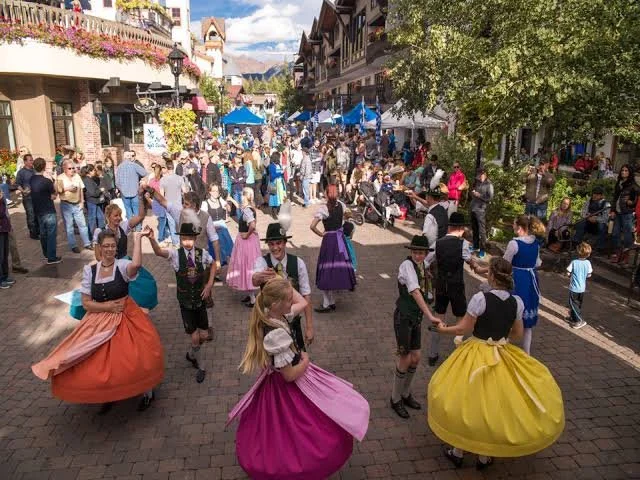
Fall in Denver means crisp mornings, changing leaves, and, of course, Oktoberfest season. From downtown Denver to Littleton, Lone Tree, and the National Western Center, there are plenty of ways to enjoy Bavarian food, beer, music, games, and stein-hoisting fun this fall.
If you are looking for somewhere to celebrate, here are four Oktoberfest events around the Denver metro to know about in 2026.
One of Denver's longest-running fall traditions is still going strong. The 56th Annual Denver Oktoberfest returns for its second weekend September 25–27, bringing three more days of Bavarian food, beer, music, contests, and plenty of stein-hoisting fun to the Ballpark/RiNo area.
Location: Larimer Street between 20th & 22nd Streets, Denver
Dates: September 25–27, 2026
Admission: General admission is free, with VIP upgrades available
Friday runs from 3 p.m. to midnight, Saturday from 11 a.m. to midnight, and Sunday from 11 a.m. to 6 p.m.
This weekend's lineup includes stein hoisting, costume and yodeling contests, live music, a brat-eating contest, Chicago line dancing, and the Sunday Long Dog Derby. If you missed the first weekend, this is your next chance to join one of Denver's signature fall traditions.
For a more laid-back brewery experience, head to Littleton Brewing Company, which is extending its Oktoberfest festivities across three Saturdays.
Location: 1201 W. Littleton Blvd., Littleton
Remaining Dates: September 26 & October 3, 2026
Hours: 11 a.m. to 10 p.m.
Admission: Free
The lineup includes a traditional Festbier tapping, Bavarian food, live music, and the ever-competitive Maßkrug holding contest.
It is an easy pick for a casual afternoon of beer, food, and Oktoberfest traditions without heading into the heart of downtown.
For a celebration with a little more room to spread out, Lone Tree's Oktoberfest takes over historic Schweiger Ranch on October 3.
Location: Schweiger Ranch, 10822 S. Havana St., Lone Tree
Date: Saturday, October 3, 2026
Hours: 2:30–6:30 p.m.
Admission: Free
The afternoon features German oompah and polka, food trucks, stein hoisting, cornhole, giant pong, mobile axe throwing, and plenty for younger guests, including inflatables, games, and kids' stein hoisting.
Beer sampling is available through a paid package for guests 21 and older. Parking is available at the RTD RidgeGate Park-n-Ride across from Schweiger Ranch.
If you are not ready to say goodbye to Oktoberfest after September, The Denver Wiesn keeps the season going into October at the National Western Center.
Location: Main Campus Plaza at the National Western Center, 5185 National Western Drive, Denver
Dates: October 16–18 & October 22–25, 2026
Hours: 1–9 p.m. daily
Admission: Free to attend
Hosted by the Bavarian Guild, Denver Wiesn brings traditional music, dancing, food, games, and stein-hoisting competitions to the National Western Center.
The entertainment lineup includes the Polkanauts, Denver Kickers Schuhplattlers, Da Polka Guy, and a Colorado Symphony performance on October 18. Oktoberfest Queen Manuela Horn is also scheduled to appear October 23–25.
National Western Center parking is available for $15.
Whether you are after the energy of the Ballpark/RiNo area, a brewery afternoon in Littleton, a family outing in Lone Tree, or a Bavarian-style festival in October, there are still plenty of ways to celebrate Oktoberfest around Denver this year.
Pick a weekend, grab your friends, and raise a stein to fall in Colorado. 🍻🍂

Denver's restaurant scene has been having a serious moment, and the next MICHELIN Guide Colorado selection could make things even more interesting.
The 2025 guide gave Colorado its first two-MICHELIN-Star restaurant when The Wolf's Tailor moved up from one star. Three Denver restaurants, Kizaki, Margot and Mezcaleria Alma, also earned their first stars. Across Denver, Michelin now recognizes more than 30 restaurants through its Star, Green Star, Bib Gourmand and Recommended designations.
But 2026 is different.
For the first time, Michelin has expanded its Colorado selection statewide. Inspectors have been traveling throughout Colorado since the announcement in February, looking beyond the cities and resort communities included in the first three editions. Michelin says the full 2026 selection will be revealed later this year, but a specific announcement date has not yet been published.
That makes this year's watchlist especially interesting.
While nobody outside Michelin knows which restaurants are being considered, a handful of Denver names have plenty of reasons to be on the radar.
Wildflower already has a place in the MICHELIN conversation.
The LoHi restaurant was added to the 2025 Recommended list, and chef Aiden Tibbetts received Michelin's Young Chef Award that same year. Michelin has also highlighted Wildflower in its coverage of Colorado ingredients, including the restaurant's use of Olathe sweet corn.
That combination makes Wildflower one of the clearest Denver restaurants to keep watching. It already has Michelin recognition, but a Recommended designation is a very different category from a Star.
Restaurant Olivia is another established Denver name with a strong Michelin résumé.
The South Broadway Italian restaurant was included in the 2025 Recommended selection, while co-owner and hospitality director Heather Morrison received Michelin's Outstanding Service Award in 2025. Michelin specifically praised the restaurant's personalized approach to hospitality and service.
It is also worth noting that Michelin has continued to feature Olivia in its editorial coverage, including its 2026 story on Colorado ingredients.
Chef Johnny Curiel's culinary momentum is hard to ignore.
Curiel already has a MICHELIN Star at Alma Fonda Fina, and his neighboring Mezcaleria Alma also earned a Star in the 2025 guide. His Cherry Creek restaurant, Alteño, was added to Michelin's Recommended list in 2025.
Alteño takes inspiration from Curiel's roots in the Jalisco Highlands and puts a contemporary spin on regional Mexican cooking. Michelin's current listing highlights everything from seafood and raw preparations to tacos and larger-format dishes.
And then there is the newest addition to the Curiel portfolio.
If there is one new Denver restaurant that feels tailor-made for a Michelin watchlist, Milpero is hard to overlook.
Opened in 2026, Milpero is Curiel's first tasting-menu restaurant. The 16-seat RiNo space serves an 18-course experience centered around Mexican tradition, masa and heirloom corn. Guests move through several distinct spaces, including a cold counter, fermentation room and hot counter. The restaurant also works with the Masa Seed Foundation on an ancestral Mexican corn project.
That does not mean a Michelin Star is coming. Michelin's inspectors make those decisions independently and anonymously. But when you're building a Denver culinary watchlist in 2026, Milpero belongs in the conversation.
Not every Michelin contender needs to come from a traditional fine-dining kitchen.
Chef Penelope Wong of Yuan Wonton won the 2026 James Beard Award for Best Chef: Mountain, an award covering Colorado, Idaho, Montana, Utah and Wyoming. Yuan Wonton began as a food truck before becoming a brick-and-mortar restaurant in Denver's Park Hill neighborhood.
Wong's win adds another major national accolade to a restaurant that has already built a strong local following.
It is not currently among Denver's Michelin-starred or Recommended restaurants, which makes it an especially interesting name to watch as Michelin's 2026 inspectors evaluate restaurants across the state.
On East Colfax, sắp sửa continues to bring a distinctive Vietnamese perspective to Denver's dining scene.
The restaurant is currently operating at 2550 E. Colfax Ave., with a menu that changes regularly and includes both dinner service and a Saturday bakery program.
The restaurant has also received national attention and was among Denver's more notable culinary names heading into 2026.
It is worth watching not because Michelin has tipped its hand, but because the restaurant represents the kind of distinctive, chef-driven cooking that has helped broaden Denver's culinary identity.
One of Denver's newer restaurants to watch is Madeline, chef Quincy Cherrett's neighborhood restaurant on East Sixth Avenue.
Madeline opened in May 2026 in the former Fruition space. The restaurant describes its approach as refined but approachable, combining technical cooking with familiar dishes, seasonal American cooking and subtle Japanese and Thai influences.
It's still early in the restaurant's story, which makes any prediction about Michelin recognition premature. But new restaurants like Madeline are part of what makes this year's Denver dining landscape so interesting.
This year's Michelin story is bigger than Denver.
For the first time, inspectors are evaluating restaurants across the entire state. That means the 2026 selection could introduce Denver diners to restaurants in places that simply weren't eligible for consideration during the guide's first three years.
That's perhaps the most exciting part of this year's announcement.
Denver already has a strong Michelin presence. The 2025 guide included The Wolf's Tailor at two stars, six Denver restaurants at one star, eight Bib Gourmand restaurants and a long list of Recommended restaurants.
Now the playing field is statewide.
If we were putting together a Denver culinary watchlist before the next Michelin announcement, we'd be keeping an eye on Wildflower, Restaurant Olivia, Alteño, Milpero, Yuan Wonton, sắp sửa and Madeline.
Some already have Michelin recognition. Some have major national awards. Others are newer restaurants still establishing themselves.
And that's exactly what makes the 2026 selection so intriguing.
We know Michelin inspectors have been out there. We know the geographic boundaries have expanded. And we know Denver's restaurant scene has continued to evolve.
What we don't know is what the inspectors will choose.
We'll find out when the next Colorado MICHELIN Guide selection is announced.

There are concert venues you visit, and then there is Red Rocks.
Set among towering sandstone formations just outside Denver, Red Rocks Amphitheatre is one of Colorado's most recognizable landmarks. Today, it is known around the world for legendary concerts, incredible views and natural acoustics. But its history stretches back much further than the first rock concert.
From Indigenous history and early performances to the Civilian Conservation Corps and some of the biggest names in music, Red Rocks has spent more than a century becoming what it is today.
Long before Red Rocks became a concert destination, the area was an important landscape for Indigenous peoples. The land where Red Rocks sits is the traditional territory of the Ute, Cheyenne and Arapaho peoples.
The geological formations themselves are millions of years old, creating the dramatic natural setting that makes the amphitheatre so distinctive.
The first organized entertainment at the site came in the early 1900s. In 1906, Pietro Satriano and his 25-piece brass band performed at what was then called the Garden of the Titans.
In 1911, world-famous Scottish soprano Mary Garden performed on a temporary platform, providing an early test of the area's remarkable natural acoustics.
Denver purchased Red Rocks acreage in 1927, and plans eventually took shape to transform the natural rock formations into a permanent outdoor amphitheatre.
Construction began during the Great Depression with help from the Civilian Conservation Corps. The project took several years and incorporated the architecture of Burnham Hoyt into the surrounding sandstone formations.
About 500 young men served at the nearby Morrison CCC camp during the construction period.
The official grand opening took place on June 15, 1941. The celebration included a Native American ceremony, performances by musicians and singers, and remarks from Colorado Governor Ralph Carr and Denver Mayor Benjamin F. Stapleton.
Music wasn't the only thing Red Rocks was built for.
In 1947, the first Easter Sunrise Service was held at the amphitheatre. An estimated 60,000 people came to Red Rocks that first year, with 16,000 fitting into the amphitheatre itself.
The Easter Sunrise Service continues today and is Red Rocks' oldest annual event.
One of the most famous chapters in Red Rocks history came on August 26, 1964, when The Beatles took the stage.
Tickets cost $6.60, and interestingly, the concert did not sell out. Only about three-quarters of the seats were filled, making Red Rocks the only stop on the band's initial American tour that didn't sell out.
It has since become one of the most talked-about performances in the venue's history.
The 1960s brought even more musical history.
Johnny Cash and the Tennessee Three performed at Red Rocks on August 29, 1965, alongside Tex Ritter, June Carter and the Statler Brothers.
Three years later, Jimi Hendrix and Vanilla Fudge played Red Rocks on September 1, 1968. It was Hendrix's only performance at the venue.
Not every chapter of Red Rocks history was quite as peaceful.
Jethro Tull's June 10, 1971, performance became infamous after thousands of people without tickets attempted to enter the sold-out show. The resulting chaos involved police, tear gas and clashes with concertgoers.
Following the incident, rock concerts were banned at Red Rocks for five years. The ban was eventually lifted, allowing rock music to return in 1976.
In 1983, another performance helped cement Red Rocks' reputation around the world.
U2 played on June 5, 1983, in heavy rain and wind. The performance was filmed and became Under a Blood Red Sky, helping introduce Red Rocks to an even larger international audience.
The show is still considered one of the defining moments in the venue's history.
Over the decades, Red Rocks has hosted an incredibly diverse lineup of performers.
John Denver became the first artist to play four consecutive nights in 1974. Bruce Springsteen made his Red Rocks debut in 1978, the same year the Grateful Dead played their first two-night stand at the venue.
Bob Dylan, Stevie Nicks, Neil Young, Willie Nelson, Carlos Santana, Bonnie Raitt, Stevie Ray Vaughan, Jackson Browne and countless others have also taken the stage.
More recently, artists including Dave Matthews Band, Mumford & Sons, Stevie Wonder and Diana Ross have added their own chapters to the venue's story.
Red Rocks has also become known for events beyond traditional concerts, including Film on the Rocks, fitness events and community gatherings.
In 2026, Red Rocks celebrates 85 years since the official dedication of the amphitheatre.
The venue now seats approximately 9,525 people and remains owned and operated by the City and County of Denver. In 2015, Red Rocks Park and the CCC camp received National Historic Landmark status, recognizing the site's importance to American history.
Part of what makes Red Rocks special is that the experience isn't just about who is performing.
It's the walk up the stairs. The view across the foothills. The sandstone formations towering over the stage. The Denver skyline in the distance. The feeling of sitting outside under a Colorado sunset before the music even begins.
And after more than a century of performances, Red Rocks has become something much bigger than a concert venue. It is part geological wonder, part historic landmark and part living piece of Colorado culture.
For Denver locals, it's easy to take a place like Red Rocks for granted when it's right in our backyard. But spend an evening there, especially when the sun is setting over the mountains, and it's pretty easy to understand why artists and fans from around the world continue to consider it one of the most special stages anywhere.

A noticeable change is coming to the way some Denver residents and businesses handle their everyday waste. Actually, it starts today.
Denver's Universal Recycling and Composting Ordinance (URCO) officially takes effect September 1, 2026, expanding recycling and composting requirements across multifamily housing, food businesses, non-residential properties, and certain permitted events.
The ordinance was approved by 70% of Denver voters in 2022 and is part of the city's larger effort to reduce landfill waste and move toward a more sustainable waste system.
The new requirements depend on where you live or work.
If you live in a multifamily building with eight or more units, your building is now required to provide access to both recycling and composting.
For residents, that could mean seeing new bins, signage, or collection areas around your building.
The requirements also apply to certain manufactured-home communities and congregate living properties.
Denver's food businesses are also part of the new requirements.
Restaurants and other covered food establishments must provide access to recycling and composting, which can mean changes to waste stations in both customer-facing and employee areas.
So the next time you grab lunch or dinner, don't be surprised if you see a few more clearly labeled bins.
The changes extend beyond restaurants.
Covered non-residential properties must provide recycling services for tenants, employees, and contractors.
That means the impact of the ordinance will be visible in many of the places Denverites visit every day, from offices and commercial buildings to restaurants and apartment communities.
This is an important distinction.
If you live in a typical Denver single-family home, you aren't suddenly getting a new set of waste requirements today.
Denver already provides trash, recycling, and composting services to single-family residences and residential buildings with seven units or fewer.
The new ordinance primarily expands requirements for larger multifamily properties, food businesses, and other covered commercial and non-residential properties.
There's a lot more going into the trash than just trash.
According to the City of Denver, approximately 78% of solid waste generated in the city currently goes to landfills, while about 22% is reused, recycled, or composted.
The goal of URCO is to increase access to recycling and composting and keep more reusable and compostable materials out of the landfill.
It's also part of Denver's broader climate and sustainability efforts.
For most residents, this probably won't feel like a dramatic change overnight.
Instead, you may notice smaller differences in the places you already spend time.
Your apartment building may add compost bins. A favorite restaurant may have new sorting stations. Your office might change its waste setup.
And you may find yourself thinking a little more carefully about which bin something belongs in.
If your building or workplace is introducing new recycling or composting options, take a few minutes to learn what belongs where.
Denver has specific guidelines for what can and can't go into each collection stream, so it's better to check than guess.
And remember, when in doubt, don't contaminate the recycling or compost bin. Check the city's current guidelines first.
It's easy to overlook changes like this because they happen in the background of everyday life.
But things like waste collection, transportation, parks, development, and sustainability policies all contribute to what it's like to live in a city.
Denver continues to change, and sometimes those changes show up in places you might not expect, including the bins outside your apartment building or favorite neighborhood restaurant.
Thinking about buying or selling in Denver this year? We love talking about the things that make each Denver neighborhood unique, not just the homes themselves. From restaurants and parks to transportation and community changes, your surroundings play a big role in how a place feels like home. If you're considering a move, our local team can help you find a neighborhood that fits your lifestyle.
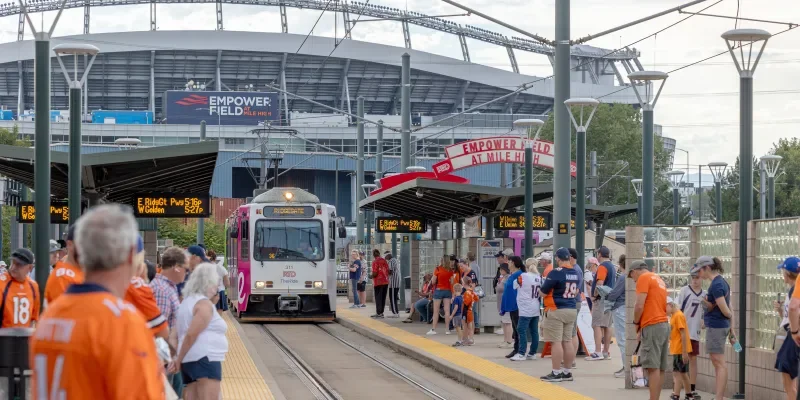
Broncos football is back at Empower Field, and if you're heading to Friday night's preseason game, you may want to leave the car at home.
With thousands of fans expected to make their way to the stadium, the Regional Transportation District (RTD) is adding capacity to several train lines and reminding fans that public transportation can be an easier way to get to the game without dealing with event traffic and parking.
For Friday's Broncos preseason game, RTD plans to add rail cars to the C, E, W, and N lines to accommodate the expected increase in ridership.
The C, E, and W lines provide direct service to Empower Field at Mile High Station, while the A, B, G, and N lines connect to Denver Union Station, giving fans additional options for getting into downtown before transferring to the stadium area.
RTD recommends using its NextRide trip-planning tool and entering "Broncos" as the destination. The tool can show available train and bus options, including departure times from your starting location.
Rail isn't the only option.
Several local bus routes operate near Empower Field, including:
Route 30, serving South Federal Boulevard
Route 31, serving North Federal Boulevard
Routes 1, 15L, and 16
If you're coming from elsewhere in the metro area, RTD also recommends using the Flatiron Flyer and several local routes to connect to the C, E, or W lines at Denver Union Station.
Anyone who's driven to a major event at Empower Field knows that getting there is only half the challenge.
Traffic builds around the stadium, parking can be expensive or limited, and getting out after the final whistle can take some patience.
Taking transit means you can avoid some of that hassle and let someone else do the driving.
It can also make the experience more social. Meeting friends at a station, riding in with other fans, and heading toward the stadium together can become part of the game-day tradition.
If you're planning to use RTD Friday, a little preparation can make things easier.
Plan your route ahead of time. Check NextRide before leaving home so you know which train or bus you'll need.
Give yourself extra time. Large crowds are expected, particularly before and after the game.
Don't wait until the final whistle to think about getting home. Check your return options ahead of time and know when the last scheduled service is running.
Expect crowds. Even with additional rail cars, platforms and trains may be busy after the game.
Check for updates before heading out. Service conditions can change, so it's worth checking RTD's website or NextRide on game day.
Events like Broncos games are a good reminder of how important Denver's transportation network is to the city's lifestyle.
Empower Field is surrounded by rail and bus connections, which means you don't necessarily have to live downtown or directly next to the stadium to enjoy easy access to games and other major events.
From concerts at Empower Field to games at Ball Arena and events throughout downtown, transit can open up more ways to enjoy the city without having to drive everywhere.
And with RTD continuing to make changes to its system throughout 2026, transportation is becoming an increasingly interesting part of the conversation about how Denver neighborhoods connect to one another.
Whether you're heading to Friday's preseason game or already looking ahead to the regular season, Broncos season is officially becoming part of Denver's fall routine.
So grab your jersey, plan your route, and give yourself plenty of time to get to the stadium.
Thinking about buying or selling in Denver this year? Location isn't just about the house. It's also about how easily you can get to work, restaurants, parks, concerts, sporting events, and everything else you enjoy. If you're looking for a Denver neighborhood that fits your lifestyle, our local team would love to help you find it.

If you've been thinking about swapping some car trips for two wheels, this could be worth putting on your calendar.
Colorado's statewide e-bike rebate program is returning this month after the previous round proved extremely popular. The renewed program will offer 2,800 vouchers worth $1,000 each, with additional savings available for qualifying cargo and adaptive e-bikes.
For Denver residents, there's also a separate city rebate program, making e-bike incentives an especially interesting option for people looking for an alternative way to get around town.
The new statewide program is designed primarily for income-qualified Colorado residents.
The first lottery registration period opens at 11 a.m. on Monday, August 24, 2026, and will remain open for one week. Applicants don't need to purchase an e-bike before entering the lottery. If selected, they'll then have a week to provide documentation confirming their income and Colorado residency.
The program is expected to provide more than 2,800 rebates over the next year, using approximately $3 million in available funding.
Eligible residents can receive:
$1,000 toward a qualifying e-bike
An additional $300 for a qualifying cargo or adaptive e-bike
The rebate is applied as a discount at participating bike shops
The statewide program is income-qualified, with eligibility generally based on household income relative to the median income for the applicant's county. Certain assistance programs can also qualify residents.
The previous statewide program was extremely popular.
More than 34,000 Coloradans applied during the earlier program, while approximately 8,000 residents ultimately received rebates. State officials also reported that 89% of previous recipients said they would not have purchased an e-bike without the rebate.
That demand helps explain why the new program is using a lottery system instead of simply offering vouchers on a first-come, first-served basis.
So if you're interested, mark August 24 on your calendar.
If you live within the City and County of Denver, there's another program to know about.
Denver's 2026 rebate for a standard e-bike is $675, and it can be combined with Colorado's $225 statewide e-bike tax credit for a potential $900 in combined savings.
Denver's program has its own eligibility requirements and application process, so residents should check the city's current availability before making a purchase.
The statewide rebate and Denver's local rebate cannot simply be stacked together on the same purchase, so it's important to understand which program you're applying for before heading to a bike shop.
For Denver residents, that's part of the appeal.
An e-bike won't replace a car for every trip, but it can make shorter commutes, errands, restaurant trips, and neighborhood outings considerably easier.
And with traffic continuing to be a frustration along major corridors like I-25, an e-bike can provide another option for getting around without sitting in traffic.
There's also the lifestyle component.
Instead of driving across town for a coffee, grocery run, or dinner, you may be able to turn the trip into a little time outside.
That's one reason e-bikes have become increasingly popular in Colorado.
If you're interested in the new state program, a little preparation can help.
Check your eligibility. Make sure you meet the program's residency and income requirements before applying.
Mark the application date. The first registration window opens August 24 at 11 a.m.
Don't buy first. If you're applying for the statewide rebate, wait until you've received a voucher before purchasing your e-bike.
Use a participating retailer. State rebates must be redeemed through qualified participating bike dealers.
Compare your options. If you're a Denver resident, look at both the state program and Denver's separate incentive to determine which applies to your situation.
There's something pretty appealing about being able to leave the car in the driveway and explore your own neighborhood on two wheels.
Whether you're commuting to work, grabbing coffee, heading to a brewery, or simply getting outside for a ride, an e-bike can make more of Denver feel accessible without necessarily requiring a long drive.
And as more people look for alternative ways to get around the city, transportation choices can become part of how people think about where they live.
Thinking about buying or selling in Denver this year? The way you like to get around can actually play a big role in choosing a neighborhood. Access to bike lanes, trails, transit, restaurants, parks, and everyday amenities can all influence what makes a location feel like home. If you're considering a move, our local team can help you find a neighborhood that fits your lifestyle.
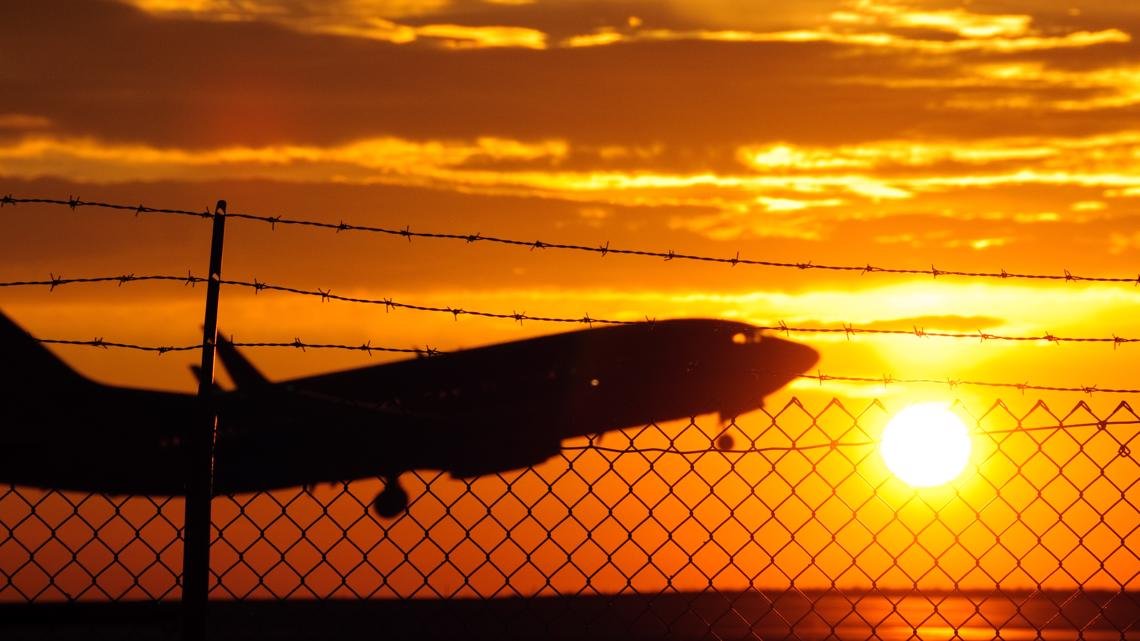
Denver summers are known for sunshine, blue skies, and hot afternoons. But when temperatures climb toward 100 degrees, the heat can create more than uncomfortable walks to the car or a higher air-conditioning bill.
It can actually affect aviation.
Extreme heat changes the density of the air around an airplane, which can make it more difficult for aircraft to generate the lift they need during takeoff. At airports like Denver International Airport, where elevation already plays a role in aircraft performance, very hot weather can become an important factor for airlines and travelers.
So if you're flying out of Denver during a major heatwave, that summer temperature isn't just something to check before you head to the airport. It can potentially affect how your flight operates.
The science comes down to something called density altitude.
Airplanes rely on air density to generate lift. When the air is cooler and denser, an aircraft's wings can generate more lift as the plane moves down the runway.
Hot air, however, is less dense.
That means an airplane needs more runway to achieve the necessary performance for takeoff, and its engines and wings have less dense air to work with.
Denver adds another factor because Denver International Airport sits at roughly 5,400 feet above sea level.
At higher elevations, the air is already thinner than it is at sea level. Add extreme summer heat, and the effective "density altitude" can become significantly higher.
Density altitude sounds complicated, but the basic idea is fairly straightforward.
Think of it as the altitude an airplane's performance "feels like" based on the combination of actual elevation, temperature, and atmospheric conditions.
For example, a hot afternoon at Denver International Airport can make the air behave as though the airport is at an even higher elevation than it actually is.
That matters because airplanes perform differently in thinner air.
During extreme heat, airlines may need to account for:
Longer takeoff distances.
Reduced aircraft performance.
Weight restrictions.
Changes to fuel or cargo loads.
Potential delays when conditions are particularly challenging.
In some situations, airlines can reduce the amount of weight an aircraft carries to make sure it can safely take off under the day's conditions.
That can mean fewer passengers, less cargo, or other operational adjustments.
Denver is already a high-elevation city.
Unlike an airport at sea level, aircraft departing from Denver are starting their takeoff in thinner air. When temperatures climb dramatically, that combination becomes even more significant.
The good news is that modern aircraft and airline operations are designed to account for changing weather conditions.
This doesn't mean that every 95- or 100-degree day will result in canceled flights.
Instead, extreme heat becomes one of many factors airlines consider when determining how an aircraft can safely operate.
Wind, thunderstorms, runway conditions, aircraft type, passenger loads, and other weather conditions can all play a role.
If you're traveling during a major summer heatwave, there's a practical takeaway.
Consider booking an earlier flight when possible.
Temperatures are typically cooler in the morning, which means the air is denser than it will be during the hottest part of the afternoon.
That can provide better aircraft performance and may reduce some of the operational challenges associated with extreme heat.
Of course, an early flight isn't a guarantee against delays. Summer thunderstorms, mechanical issues, air traffic, and other factors can still affect your schedule.
But if you have flexibility, an early departure can be one way to reduce your exposure to the hottest part of the day.
If you're flying during a period of extreme heat, a little planning can make the experience easier.
Don't assume your flight is operating exactly as scheduled. Check your airline's app or website before heading to the airport.
Extreme weather can create ripple effects throughout an airport. Arrive with enough time for parking, security, baggage, and potential congestion.
If you're choosing between multiple flights, a morning departure may help you avoid the day's hottest temperatures.
Denver's high elevation and dry climate can make summer heat feel particularly intense. Bring an empty reusable water bottle through security and fill it once you're inside the airport.
Heat isn't the only summer travel concern in Colorado. Afternoon thunderstorms can also create delays, especially during peak summer storm season.
If your checked bag is delayed, having medications, identification, electronics, important documents, and a change of clothes with you can make a big difference.
Extreme summer heat is becoming a more noticeable part of life in Denver.
For residents, that can mean changing how we exercise, garden, commute, travel, and spend time outdoors. For travelers, it means weather can influence the entire journey, from the drive to the airport to the performance of the aircraft leaving the runway.
It's another example of how Colorado's climate and high elevation can create conditions that aren't always obvious until you experience them firsthand.
The next time you're sitting at Denver International Airport on a hot summer afternoon waiting for your flight, remember that the heat outside may be doing more than making the tarmac look hazy.
The temperature affects the air itself.
And because airplanes depend on that air to generate lift, extreme heat can become a real operational consideration for airlines.
So during Denver's hottest stretches, check the forecast, keep an eye on your flight status, give yourself extra time, and if you have the flexibility, consider taking off earlier in the day.
Sometimes understanding the science behind everyday experiences makes living in Colorado that much more interesting.
Thinking about buying or selling in Denver this year? Climate, elevation, commute patterns, and lifestyle all play a role in what makes one Colorado neighborhood feel different from another. If you're curious about Denver's changing communities and what to consider when choosing where to live, our local team is always happy to help.
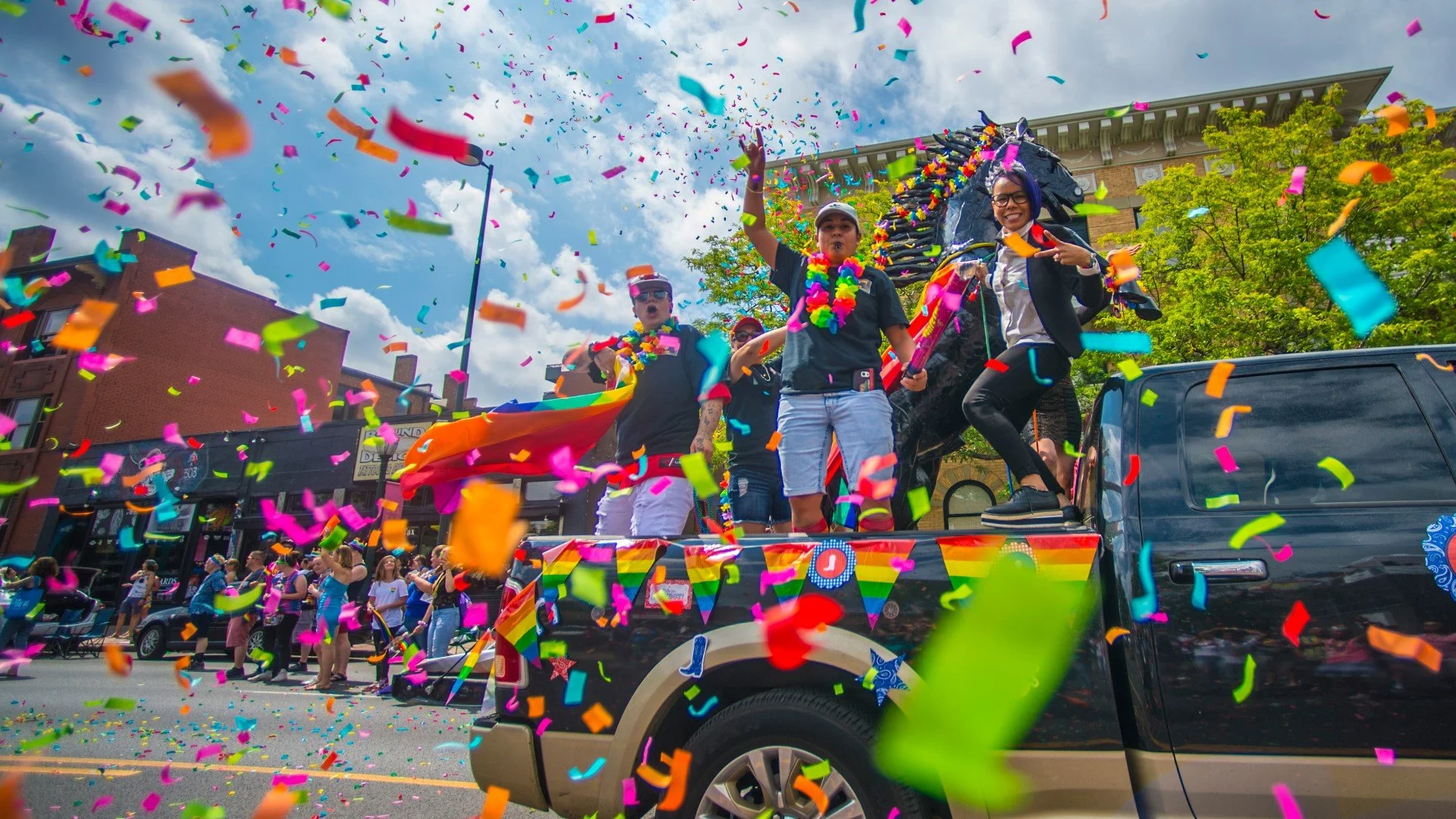
June in Denver brings longer days, packed event calendars, and one of the city's most anticipated annual traditions: Denver PrideFest.
As Pride Month is celebrated across the metro area, community events, gatherings, advocacy efforts, and celebrations take place throughout the month. The centerpiece of those festivities is Denver PrideFest, which returns in 2026 with a new downtown setting and the expectation of drawing tens of thousands of attendees from across Colorado and beyond.
This year, the event is relocating to Denver's revitalized downtown corridor along the 16th Street Mall, creating a new experience for one of the city's largest annual celebrations.
For decades, Denver PrideFest has been one of the region's most visible and well-attended community events.
The celebration brings together:
Community organizations
Local businesses
Advocacy groups
Artists and performers
Residents and visitors from across the state
While PrideFest is known for its celebratory atmosphere, it also serves as an opportunity to recognize the history, achievements, and ongoing work surrounding LGBTQ+ visibility and inclusion.
Denver PrideFest returns on Sunday, June 28, 2026, transforming downtown Denver into one of the largest Pride celebrations in the Rocky Mountain region. This year's festival runs from 10:00 a.m. to 6:00 p.m. along the revitalized 16th Street corridor, stretching from Broadway to Arapahoe Street, creating a new downtown home for the event.
The celebration begins earlier in the morning with the annual Denver Pride Parade, which steps off at 9:30 a.m. from Franklin Street and 17th Avenue in Capitol Hill before making its way through downtown and into the heart of the festival.
Throughout the day, visitors can explore a vibrant mix of:
Local vendors and exhibitors
LGBTQ+ organizations and nonprofits
Food and beverage vendors
Family-friendly activities
Interactive community spaces
Live music and entertainment
With PrideFest now taking place directly along 16th Street, attendees will also be within walking distance of downtown restaurants, hotels, shops, and public transit, making it easy to spend the entire day celebrating and exploring the city.
While PrideFest is known for its celebratory atmosphere, it also serves as an important platform for community connection and visibility. Throughout the day, attendees can support local organizations, learn about community resources, and participate in conversations centered around inclusion, equality, and advocacy.
Denver PrideFest 2026 is expected to be one of the biggest events of the summer, bringing thousands of attendees together for a weekend of celebration, community, and connection.
With its move to the 16th Street Mall and another year of Pride Month activities across the metro area, the event highlights the energy and vibrancy that make Denver summers so memorable.
Whether you're attending the parade, supporting local organizations, or simply enjoying the atmosphere downtown, PrideFest remains one of the city's signature annual gatherings.
Thinking about buying or selling in Denver this year? Community events like PrideFest are part of what gives Denver its unique character and sense of connection. Let's talk about the neighborhoods and lifestyles that make the city feel like home.
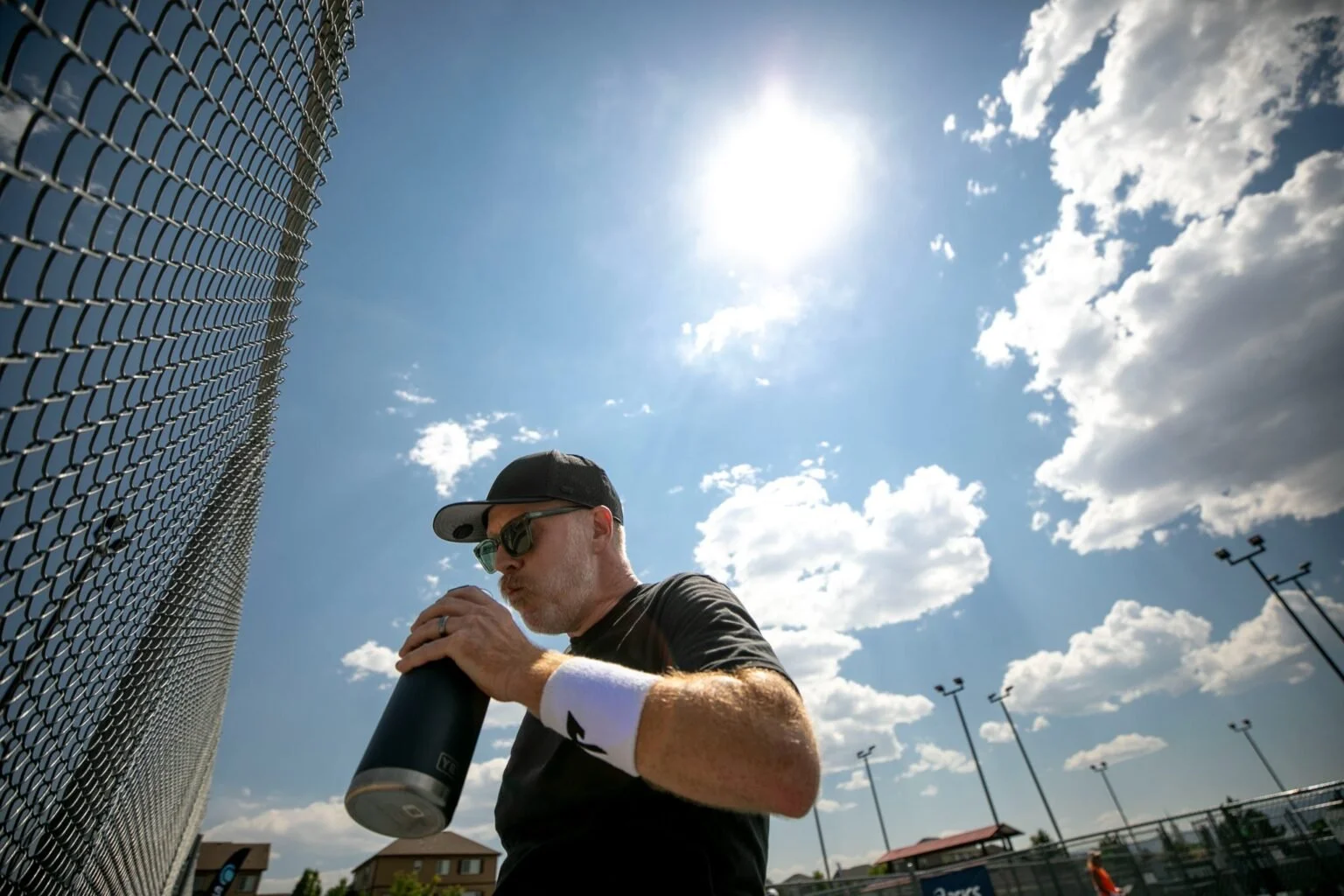
Summer has arrived in Denver with a reminder that Colorado weather can be just as challenging as it is beautiful.
As temperatures climb toward 90°F and dry conditions persist across the Front Range, fire danger concerns are increasing throughout the region. While hot days are nothing new for Colorado, the combination of above-average temperatures, low humidity, and dry vegetation has many local agencies encouraging residents to be extra cautious.
For homeowners, outdoor enthusiasts, and anyone spending time outside, now is a good time to take a few simple precautions.
Denver is no stranger to warm summer weather, but periods of intense heat can create a ripple effect throughout the region.
Current concerns include:
Elevated wildfire risk
Drying vegetation and landscaping
Increased water demand
Heat-related illnesses
Stress on power and utility systems
When temperatures stay elevated for several days in a row, conditions can change quickly across the Front Range.
One of the biggest concerns during hot, dry stretches is the increased potential for wildfires.
Even small sparks can become problematic when:
Grasses and brush are exceptionally dry
Winds pick up during the afternoon
Humidity levels remain low
Whether you're camping, hiking, grilling, or working outdoors, extra caution goes a long way.
Hot weather can take a toll on both people and property. A few simple steps can help protect your home during periods of extreme heat.
Make sure sprinklers and drip systems are functioning properly and not wasting water through leaks or overspray.
Remove dead vegetation, dry leaves, and debris that can act as fuel during fire season.
Avoid using equipment that may create sparks during the hottest, driest parts of the day.
Trees, shrubs, and lawns may require additional monitoring during prolonged periods of heat.
Denver residents love spending time outside, but extreme heat can catch people off guard.
Consider these reminders:
Drink water consistently throughout the day, even if you don't feel thirsty.
Outdoor activities are often more comfortable in the early morning or evening hours.
Sunscreen, hats, and lightweight clothing can help reduce heat-related stress.
Symptoms such as dizziness, headaches, nausea, or unusual fatigue should be taken seriously.
Our four-legged family members feel the heat as well.
Remember to:
Provide plenty of fresh water
Avoid walking pets on hot pavement during the afternoon
Watch for signs of overheating
Never leave pets in parked vehicles
Even moderately warm days can become dangerous inside a car.
The good news is that Denver offers plenty of ways to enjoy the season while staying mindful of the conditions.
Popular options include:
Early morning hikes
Neighborhood parks
Outdoor pools and splash pads
Shaded patios and outdoor dining
Evening community events
A little planning can make outdoor activities much more comfortable during hot stretches.
Extreme heat and dry conditions have become a recurring part of Colorado summers, making preparedness increasingly important.
While most residents are familiar with summer weather patterns, periods of elevated fire danger serve as a reminder that conditions can change quickly across the Front Range.
Paying attention to local advisories, staying hydrated, and practicing fire-safe habits can help keep both people and communities safer throughout the season.
Denver's early summer heat wave is bringing near-record temperatures and heightened fire concerns across the region.
While the sunshine is part of what makes Colorado summers so appealing, the current combination of heat and dryness is a good reminder to take a few extra precautions.
Whether you're spending time in the backyard, heading to the mountains, or simply enjoying a weekend outdoors, staying aware of the conditions can help you make the most of the season safely.
Thinking about buying or selling in Denver this year? Seasonal conditions like heat, drought, and fire risk can influence everything from landscaping choices to home maintenance priorities. Let's talk about what that means for your property and long-term plans.

As summer settles into Denver, one of the season’s simplest traditions is officially back: pool days.
As of June 8, 2026, Denver’s outdoor pool season is in full swing, giving residents plenty of opportunities to cool off, stay active, and enjoy the warmer months. Whether you're looking for a casual afternoon swim, a place for the kids to burn off energy, or a neighborhood gathering spot, Denver's public pools remain a staple of summer life across the city.
For many families, pool season is one of those small but meaningful signs that summer has officially arrived.
One of the reasons so many people love living in Denver is the balance between city amenities and outdoor recreation.
Pool season joins a long list of summer favorites, including:
Farmers markets
Outdoor concerts
Patio dining
Park picnics
Weekend mountain adventures
Neighborhood pools often become community gathering places where friends reconnect, kids spend their afternoons, and families take advantage of long summer evenings.
Denver Parks & Recreation has opened most of its outdoor pool facilities for the season, with popular neighborhood locations welcoming swimmers throughout the summer.
Among the city favorites are:
The pool at Central Park
The pool at Congress Park
Facilities are offering:
Open swim sessions
Lap swimming
Youth swim lessons
Family recreation opportunities
These pools typically remain open through early August, depending on weather and staffing.
While most facilities are operating as normal, a few locations remain unavailable this season.
Current closures include:
Aztlan Outdoor Pool, due to a significant water leak discovered during pre-season maintenance
Swansea Pool, currently undergoing redevelopment
Mestizo-Curtis Park Pool, also under redevelopment
As always, schedules and facility status can change throughout the summer.
Beyond traditional pools, splash pads and water play areas across the metro area are also becoming popular destinations for families.
For younger children especially, splash pads offer:
Free outdoor recreation
Easy access without reservations
A great way to cool down during hot afternoons
They've become a summer tradition in many Denver neighborhoods.
If you've spent enough summers in Denver, you know that weather can change quickly.
Outdoor pools may temporarily close if:
Temperatures fall below seasonal thresholds
Lightning is detected nearby
Severe weather moves through the area
Planning a backup activity is never a bad idea during Colorado's afternoon storm season.
Sometimes the best local stories aren't major developments or market headlines.
Sometimes they're simple reminders that another season has arrived.
Pool season is one of those markers that makes Denver summers feel uniquely Denver — neighborhood-focused, outdoors-oriented, and centered around making the most of the sunshine while it lasts.
Whether you're spending an afternoon at a community pool, visiting a splash pad, or simply enjoying the longer days, summer has officially arrived across the city.
Denver's outdoor pool season is now underway, bringing another year of neighborhood recreation, family activities, and summer traditions to communities across the city.
With most pools now open and splash pads operating throughout the metro area, residents have plenty of ways to stay cool and enjoy the season.
After a long winter and an unpredictable spring, it's one of the clearest signs that summer in Denver has officially begun.
Compass | Miller Thompson Homes