
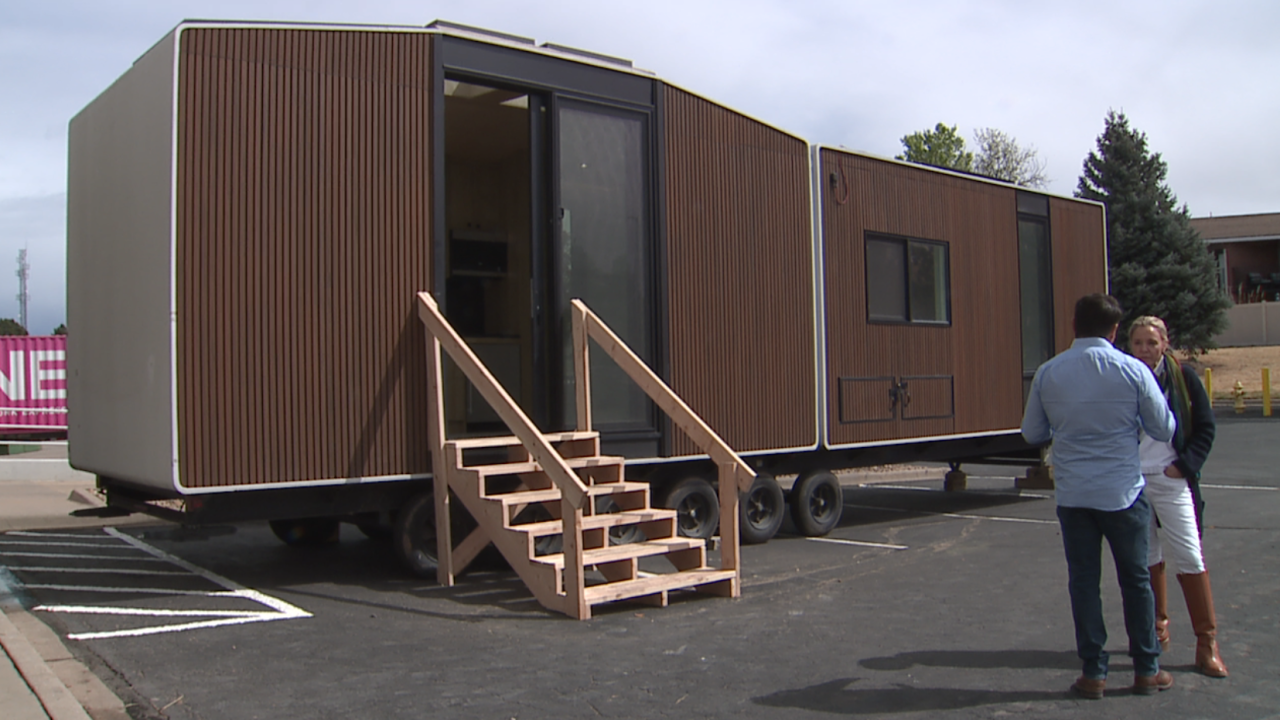
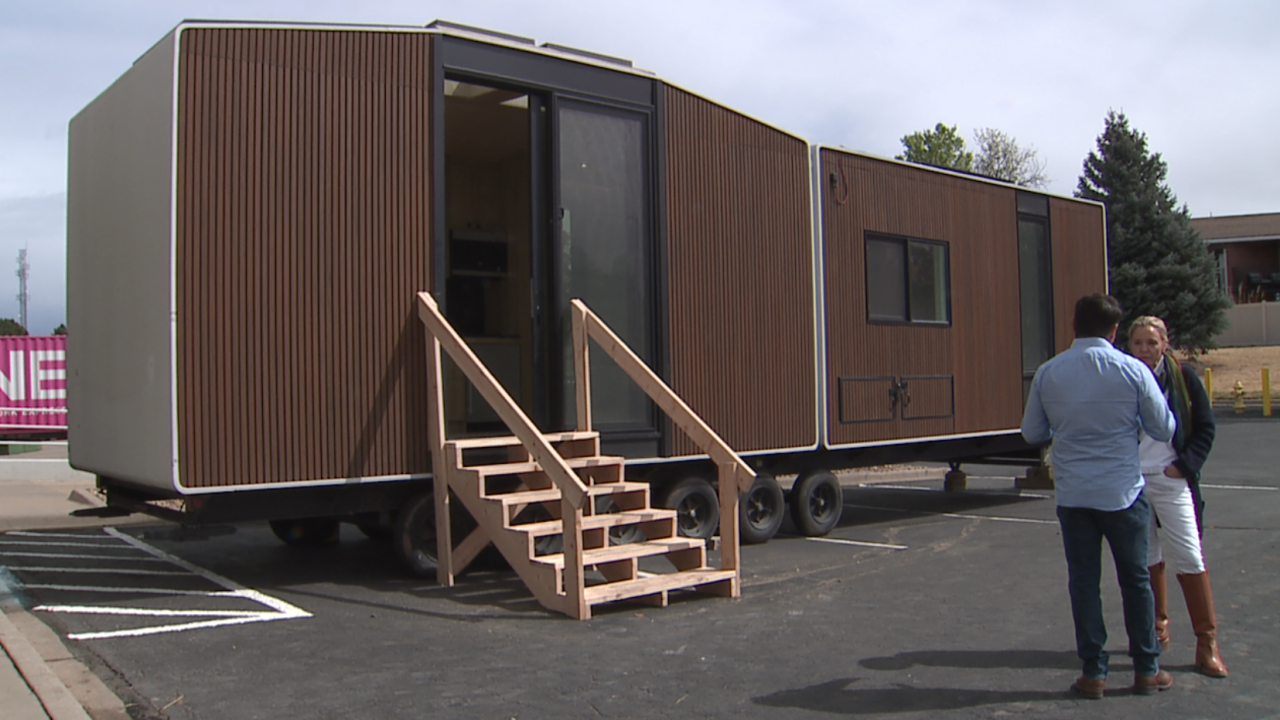
As the Denver real estate market settles into a more balanced rhythm in early 2026, innovation is starting to play a more visible role in how housing is built — not just bought and sold.
One of the more forward-thinking developments gaining attention is a new 3D-printed home factory planned for the Denver area. While still emerging, this type of technology represents a shift in how homes could be constructed in the years ahead.
For a city navigating affordability challenges and ongoing population growth, the conversation around faster, more efficient building methods is becoming increasingly relevant.
What Is a 3D-Printed Home Factory?
3D-printed construction uses large-scale printers to create structural components of a home — often using concrete or similar materials — layer by layer.
Instead of traditional framing methods, this process allows builders to:
Construct walls and structural elements more quickly
Reduce material waste
Streamline parts of the building process
A factory-based model can take this even further by producing components off-site and delivering them for assembly.
Why This Is Getting Attention in Denver
Denver continues to face a familiar challenge: balancing demand with available housing supply.
Innovations like 3D-printed construction are being explored as one potential way to:
Increase the speed of homebuilding
Lower certain construction costs
Expand housing options over time
While it’s not an immediate solution, it reflects a broader effort to rethink how housing can be delivered more efficiently.
What This Could Mean for Affordability
Affordability remains one of the most talked-about topics in Denver’s housing market.
In theory, 3D-printed construction could:
Reduce labor costs in certain مراحل of building
Shorten construction timelines
Create more predictable building processes
However, it’s important to note that:
Land costs and zoning still play a major role in pricing
Adoption of new technology takes time
Early-stage projects may be limited in scale
In other words, this is a long-term shift — not an overnight fix.
Where This Fits in the Bigger Picture
The introduction of a 3D-printed home factory is part of a larger trend toward innovation in construction and development.
Across the industry, we’re seeing:
Modular and prefabricated building methods
Increased focus on efficiency and sustainability
Exploration of alternative housing solutions
Denver is one of many cities beginning to test how these approaches might work at scale.
What This Means for Buyers and Homeowners
For now, most buyers won’t immediately see 3D-printed homes hitting the market in large numbers.
But over time, this type of innovation could influence:
The diversity of housing options available
Construction timelines for new developments
How builders approach cost and design
It also signals that the housing conversation is expanding — from pricing and inventory to how homes are actually created.
Final Thoughts
Denver’s new 3D-printed home factory is an early indicator of where the industry may be heading.
While it won’t replace traditional construction anytime soon, it represents a growing willingness to explore new solutions in response to long-standing housing challenges.
As the city continues to grow, innovations like this may play a role in shaping the next phase of development — not just in Denver, but across similar markets.
Thinking about buying or selling in Denver this year? Let’s talk about how emerging trends like this could shape the future of housing and long-term value.
Contact me today with any questions:
Jen Miller , REALTOR
303.521.0816
jenmiller@compass.com