
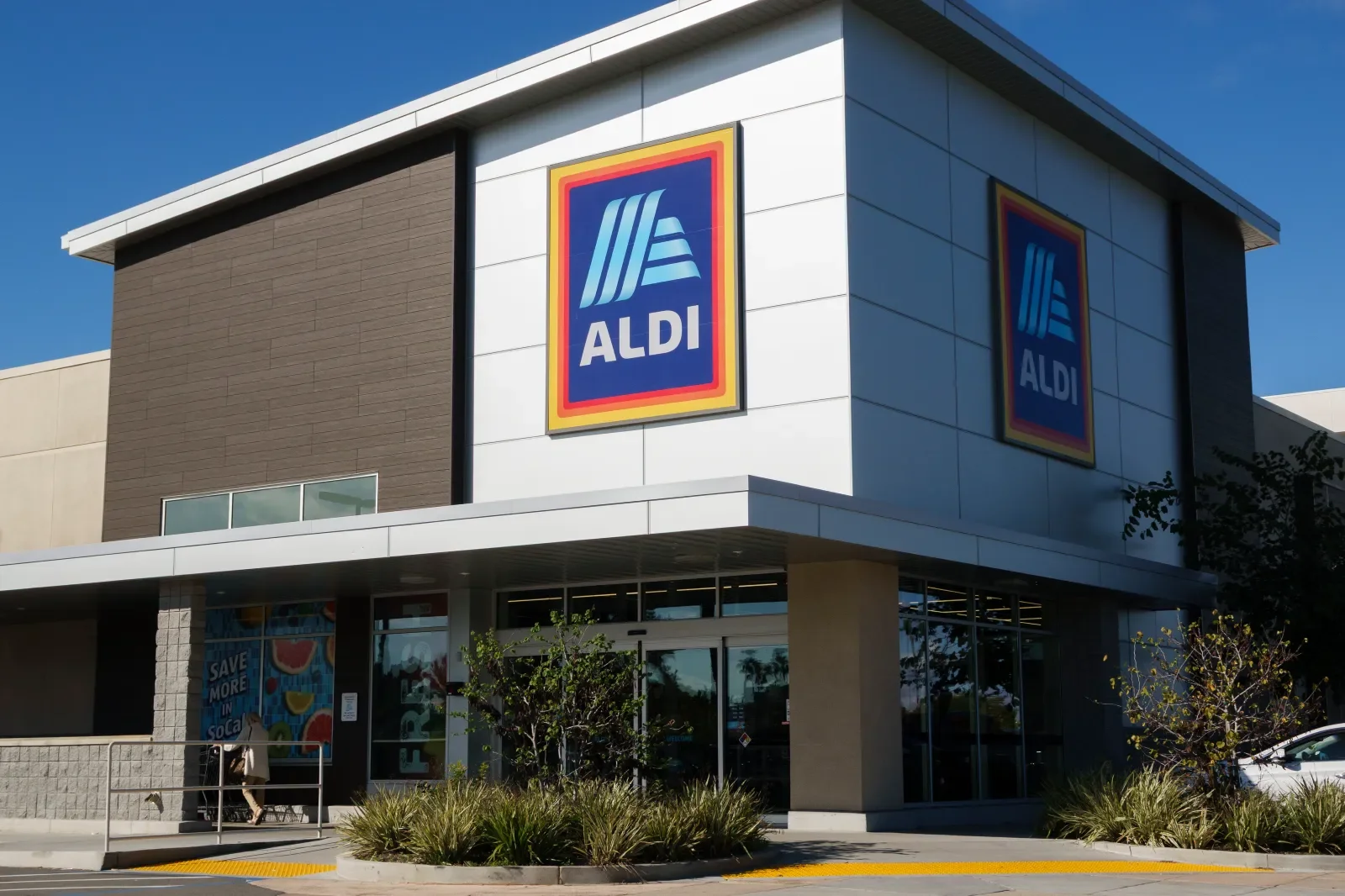
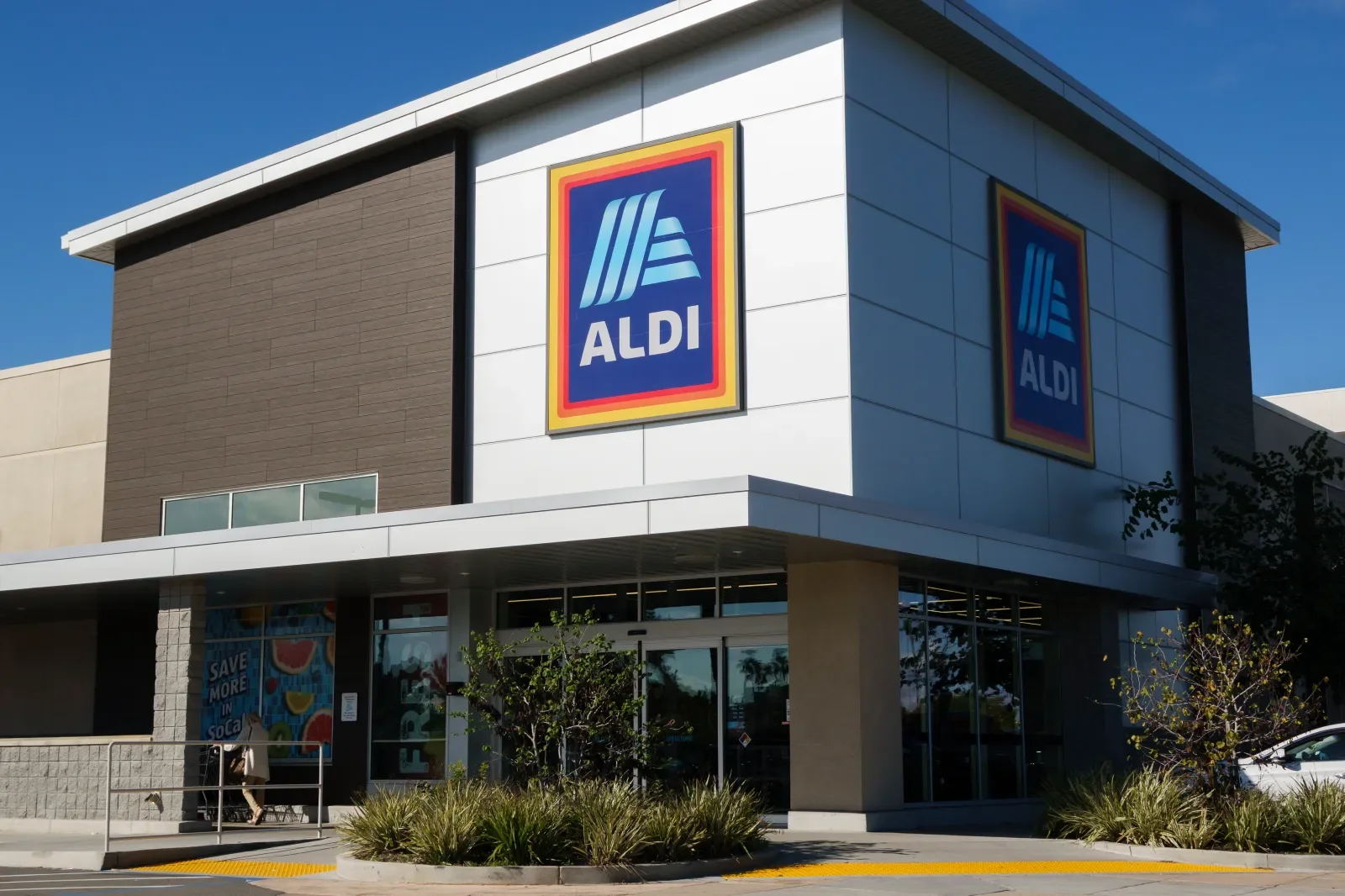
For years, Denver residents have watched shoppers in other states rave about Aldi's low prices, weekly finds, and surprisingly loyal fan base.
Now, that wait may finally be over.
Aldi has officially submitted plans for its first stores within Denver city limits, marking a significant milestone in the grocery chain's long-awaited expansion into Colorado. While the proposed locations still require approvals, the announcement has already sparked excitement among shoppers looking for more affordable grocery options.
Why Is Everyone Talking About Aldi?
If you've never shopped at Aldi, you're not alone. Colorado has never had an Aldi store—until now.
The Germany-based grocery chain has built a loyal following across the country by offering:
Everyday low prices
A curated selection of grocery essentials
High-quality private-label products
Fresh produce, meats, and dairy
The famous "Aisle of Shame," featuring rotating seasonal and household finds
Rather than carrying tens of thousands of products like a traditional supermarket, Aldi stocks a smaller, carefully selected inventory designed to keep costs low.
Where Are the First Denver Stores Planned?
Aldi has now officially filed plans for its first two stores within Denver city limits, and both locations are in fast-growing areas of northeast Denver:
Green Valley Ranch — near Tower Road and East 57th Avenue, where plans call for a nearly 20,000-square-foot store with approximately 90 parking spaces. The site is close to several new commercial developments along the Tower Road corridor.
Central Park — at 9111 E. 40th Avenue, near the intersection of Interstate 70 and Central Park Boulevard. The proposed store would be part of an existing retail center and is planned alongside other new commercial investment in the area.
These proposals represent the first step in Aldi's broader expansion into Colorado, where the company plans to open more than 50 stores across the Denver and Colorado Springs markets over the next several years.
What Could This Mean for Nearby Neighborhoods?
The proposed locations aren't random—they're both in areas that have experienced significant residential growth and continue to attract new investment.
Green Valley Ranch
Green Valley Ranch has become one of Denver's fastest-growing communities, thanks to its newer housing, expanding retail options, proximity to Denver International Airport, and continued development throughout the northeast corridor.
Adding a national grocery retailer like Aldi gives residents another convenient shopping option while reinforcing the area's ongoing growth.
Central Park
Central Park has long been one of Denver's most sought-after master-planned communities. Known for its parks, trails, schools, and neighborhood amenities, it continues to attract families, professionals, and relocation buyers.
An Aldi location would add another everyday convenience to an area already seeing continued commercial investment, complementing the neighborhood's established mix of shopping and services.
Why This Matters Beyond Grocery Shopping
At first glance, a new grocery store might not seem like a real estate story. But for many buyers, neighborhood amenities play a significant role in deciding where to live.
Convenient access to grocery stores, restaurants, parks, and everyday services can enhance a neighborhood's appeal and contribute to its overall livability.
While a grocery store alone doesn't determine home values, continued investment from national retailers often signals confidence in an area's long-term growth and demand. For both Green Valley Ranch and Central Park, Aldi's proposal is another example of businesses recognizing the strength of these communities and investing in their future.
A Sign of Continued Investment
Aldi's proposal is also a reminder that national retailers continue to see opportunity in Denver.
Major companies don't typically expand into new markets without extensive research. Population trends, household growth, and long-term economic outlook all factor into those decisions.
While no single project defines a neighborhood's future, continued commercial investment often reflects confidence in Denver's long-term growth and livability.
Final Thoughts
Aldi's proposed Denver locations are about more than adding another grocery option. They represent continued investment in the city's neighborhoods and another amenity that could enhance everyday life for nearby residents.
As Denver continues to grow, projects like this help shape how neighborhoods evolve—not just where people shop, but how they experience their community.
Thinking about buying or selling in Denver this year? Neighborhood amenities, new businesses, and ongoing investment can all influence how an area grows over time. If you're curious about which Denver neighborhoods are seeing the most momentum, I'd be happy to help you navigate the market.