
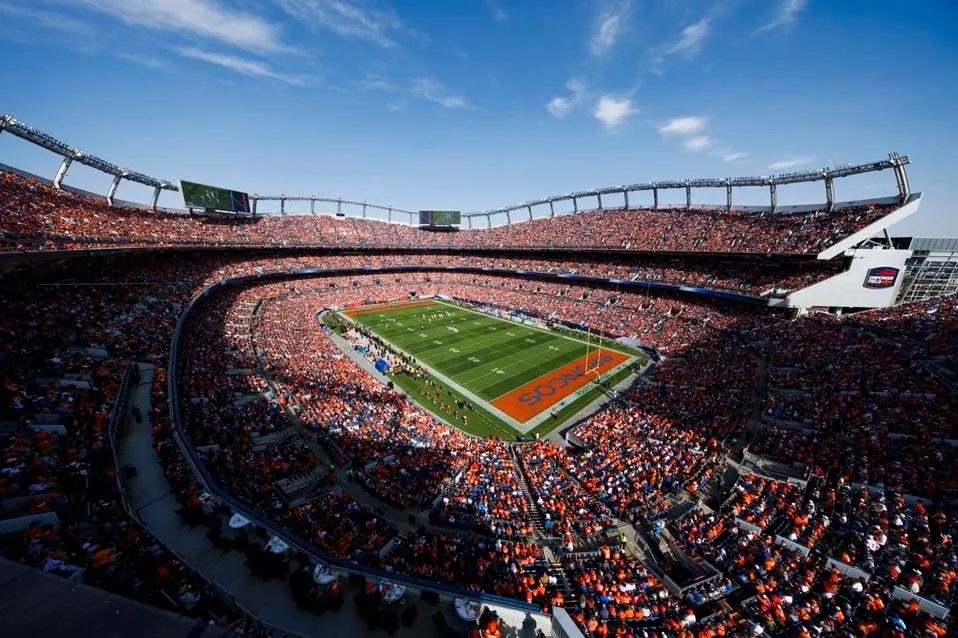
“If Denver builds a new Broncos stadium district… would you want to live near it?”
It’s a conversation gaining traction. While nothing is finalized, proposals and discussions around a potential new stadium district for the Denver Broncos naturally raise bigger questions about neighborhood transformation, mixed-use development, and long-term property value.
Major stadium districts are rarely just about football. They often include restaurants, retail, residential units, entertainment venues, hotels, and improved infrastructure. When designed well, they can reshape how an area functions — and how it’s valued.
So what could a new stadium district mean for Denver homeowners?
Stadium Districts Are About More Than Game Day
Modern stadium projects typically follow a mixed-use model. Instead of a stand-alone venue surrounded by parking lots, cities aim to create year-round destinations.
If Denver were to pursue a new stadium district, it could potentially include:
Residential housing (condos, apartments, townhomes)
Walkable retail and dining
Public gathering spaces
Transit improvements
Office or hotel components
The shift from single-use to mixed-use is what often drives long-term neighborhood impact.
How Stadium Developments Impact Property Values
Historically, stadium developments have produced mixed results depending on location and execution. However, when paired with thoughtful planning and strong infrastructure, they often lead to:
Increased nearby property demand
Higher walkability scores
New restaurant and retail investment
Infrastructure upgrades
Buyers who prioritize proximity to entertainment and dining may see strong appeal in living near a stadium district — especially young professionals and investors.
That said, value impact depends heavily on traffic flow, parking management, and neighborhood integration.
Lifestyle Tradeoffs to Consider
Living near a stadium district isn’t for everyone. Alongside new amenities come:
Event traffic and congestion
Parking demand on game days
Increased foot traffic
Noise during major events
For some homeowners, that energy is part of the appeal. For others, it may feel disruptive. Micro-location becomes critical — being two blocks away can feel very different than being directly adjacent.
Rental & Investment Potential
Stadium districts often increase rental demand, particularly for:
Short-term stays (where permitted)
Corporate rentals
Long-term tenants wanting proximity to entertainment
If Denver moves forward with a new district concept, investors will likely watch surrounding neighborhoods closely.
However, city regulations, zoning, and short-term rental policies would ultimately shape how strong that opportunity becomes.
Infrastructure & Transit Matter Most
One of the biggest determining factors in whether a stadium district strengthens property values is transit accessibility.
If paired with light rail access, improved pedestrian design, and thoughtful traffic planning, the long-term outlook tends to be stronger. Without those elements, congestion can dampen enthusiasm.
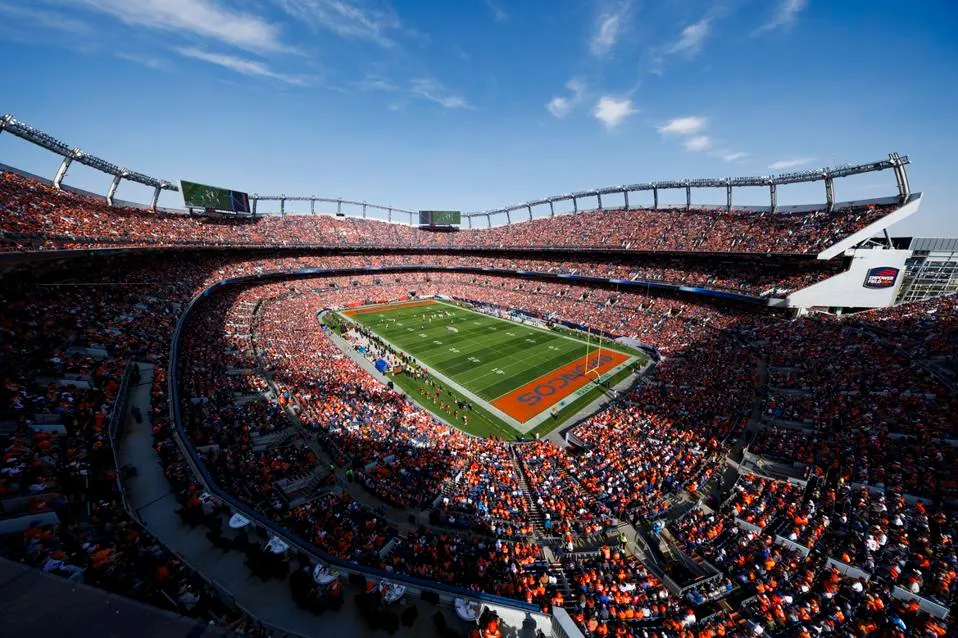
For context, the current stadium — Empower Field at Mile High — benefits from established transit corridors and highway access, which has helped support surrounding development over time.
A new stadium district would likely need similar planning to produce lasting value.
What This Could Mean for Denver Homeowners in 2026
While discussions are still evolving, homeowners in potential impact zones should be paying attention — not reacting, but staying informed.
If a stadium district were approved, we could expect:
Early investor activity
Increased land speculation
Gradual pricing shifts as development phases unfold
Long-term neighborhood repositioning
For sellers, timing could matter.
For buyers, early entry could present opportunity — with calculated risk.
Final Thoughts
Stadium districts can transform neighborhoods — but they don’t do so overnight. The real impact comes from the mixed-use planning, infrastructure investment, and long-term execution behind the project.
If Denver moves forward with a new Broncos stadium district, the surrounding real estate landscape would likely shift over time — creating both opportunity and considerations for homeowners.
Curious how a potential stadium district could affect your property or a neighborhood you’re watching?
Let’s talk through what this could realistically mean for your home’s value and your long-term plans.
Contact me today with any questions:
Jen Miller, REALTOR
303.521.0816
jenmiller@compass.com