
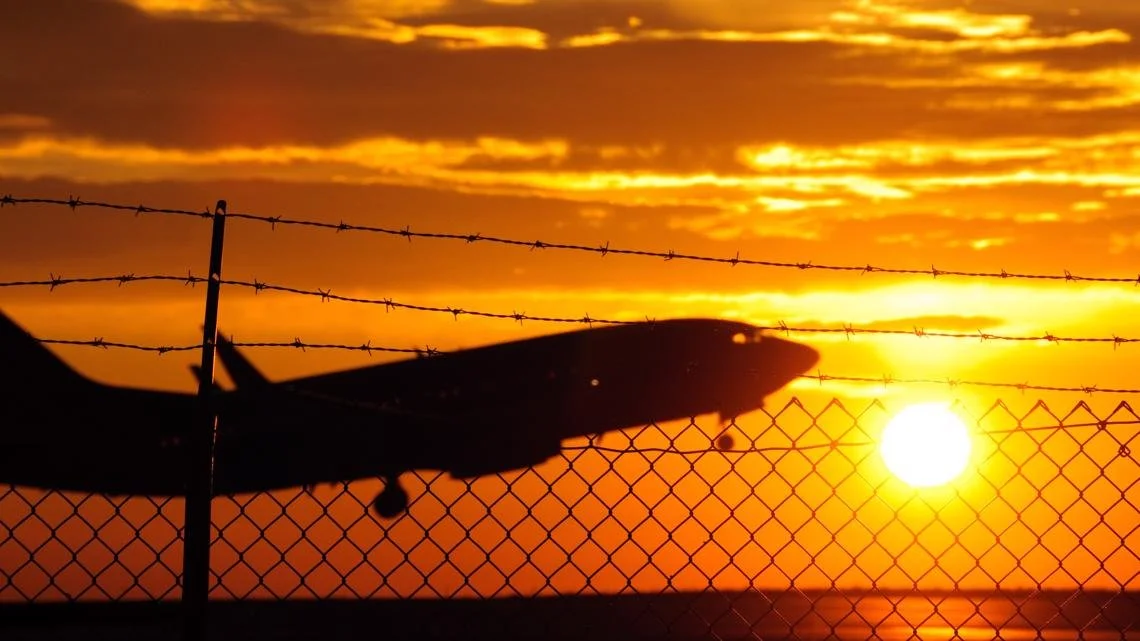
Denver summers are known for sunshine, blue skies, and hot afternoons. But when temperatures climb toward 100 degrees, the heat can create more than uncomfortable walks to the car or a higher air-conditioning bill.
It can actually affect aviation.
Extreme heat changes the density of the air around an airplane, which can make it more difficult for aircraft to generate the lift they need during takeoff. At airports like Denver International Airport, where elevation already plays a role in aircraft performance, very hot weather can become an important factor for airlines and travelers.
So if you're flying out of Denver during a major heatwave, that summer temperature isn't just something to check before you head to the airport. It can potentially affect how your flight operates.
Why Does Extreme Heat Affect Airplanes?
The science comes down to something called density altitude.
Airplanes rely on air density to generate lift. When the air is cooler and denser, an aircraft's wings can generate more lift as the plane moves down the runway.
Hot air, however, is less dense.
That means an airplane needs more runway to achieve the necessary performance for takeoff, and its engines and wings have less dense air to work with.
Denver adds another factor because Denver International Airport sits at roughly 5,400 feet above sea level.
At higher elevations, the air is already thinner than it is at sea level. Add extreme summer heat, and the effective "density altitude" can become significantly higher.
What Is Density Altitude?
Density altitude sounds complicated, but the basic idea is fairly straightforward.
Think of it as the altitude an airplane's performance "feels like" based on the combination of actual elevation, temperature, and atmospheric conditions.
For example, a hot afternoon at Denver International Airport can make the air behave as though the airport is at an even higher elevation than it actually is.
That matters because airplanes perform differently in thinner air.
During extreme heat, airlines may need to account for:
Longer takeoff distances.
Reduced aircraft performance.
Weight restrictions.
Changes to fuel or cargo loads.
Potential delays when conditions are particularly challenging.
In some situations, airlines can reduce the amount of weight an aircraft carries to make sure it can safely take off under the day's conditions.
That can mean fewer passengers, less cargo, or other operational adjustments.
Why Denver's Heat Can Be Especially Interesting
Denver is already a high-elevation city.
Unlike an airport at sea level, aircraft departing from Denver are starting their takeoff in thinner air. When temperatures climb dramatically, that combination becomes even more significant.
The good news is that modern aircraft and airline operations are designed to account for changing weather conditions.
This doesn't mean that every 95- or 100-degree day will result in canceled flights.
Instead, extreme heat becomes one of many factors airlines consider when determining how an aircraft can safely operate.
Wind, thunderstorms, runway conditions, aircraft type, passenger loads, and other weather conditions can all play a role.
Why Early Morning Flights Can Be a Smart Choice
If you're traveling during a major summer heatwave, there's a practical takeaway.
Consider booking an earlier flight when possible.
Temperatures are typically cooler in the morning, which means the air is denser than it will be during the hottest part of the afternoon.
That can provide better aircraft performance and may reduce some of the operational challenges associated with extreme heat.
Of course, an early flight isn't a guarantee against delays. Summer thunderstorms, mechanical issues, air traffic, and other factors can still affect your schedule.
But if you have flexibility, an early departure can be one way to reduce your exposure to the hottest part of the day.
Summer Travel Tips for Denver
If you're flying during a period of extreme heat, a little planning can make the experience easier.
Check Your Flight Before Leaving Home
Don't assume your flight is operating exactly as scheduled. Check your airline's app or website before heading to the airport.
Give Yourself Extra Time
Extreme weather can create ripple effects throughout an airport. Arrive with enough time for parking, security, baggage, and potential congestion.
Consider an Early Departure
If you're choosing between multiple flights, a morning departure may help you avoid the day's hottest temperatures.
Stay Hydrated
Denver's high elevation and dry climate can make summer heat feel particularly intense. Bring an empty reusable water bottle through security and fill it once you're inside the airport.
Watch the Entire Weather Picture
Heat isn't the only summer travel concern in Colorado. Afternoon thunderstorms can also create delays, especially during peak summer storm season.
Keep Important Items in Your Carry-On
If your checked bag is delayed, having medications, identification, electronics, important documents, and a change of clothes with you can make a big difference.
The Bigger Picture: Denver's Changing Summers
Extreme summer heat is becoming a more noticeable part of life in Denver.
For residents, that can mean changing how we exercise, garden, commute, travel, and spend time outdoors. For travelers, it means weather can influence the entire journey, from the drive to the airport to the performance of the aircraft leaving the runway.
It's another example of how Colorado's climate and high elevation can create conditions that aren't always obvious until you experience them firsthand.
Final Thoughts
The next time you're sitting at Denver International Airport on a hot summer afternoon waiting for your flight, remember that the heat outside may be doing more than making the tarmac look hazy.
The temperature affects the air itself.
And because airplanes depend on that air to generate lift, extreme heat can become a real operational consideration for airlines.
So during Denver's hottest stretches, check the forecast, keep an eye on your flight status, give yourself extra time, and if you have the flexibility, consider taking off earlier in the day.
Sometimes understanding the science behind everyday experiences makes living in Colorado that much more interesting.
Thinking about buying or selling in Denver this year? Climate, elevation, commute patterns, and lifestyle all play a role in what makes one Colorado neighborhood feel different from another. If you're curious about Denver's changing communities and what to consider when choosing where to live, our local team is always happy to help.