
As Denver continues to grow, city leaders are increasingly being asked to balance economic development with long-term infrastructure planning.
One of the latest examples is Denver’s decision to enact a one-year moratorium on new data center developments following a unanimous City Council vote. City officials say the pause is intended to provide time to study the impact these facilities can have on local resources, particularly electricity consumption, water use, and overall infrastructure demand.
While data centers are often associated with technological growth and investment, the conversation in Denver highlights a growing question facing cities nationwide: how do communities support innovation while also protecting critical resources?
What Is a Data Center?
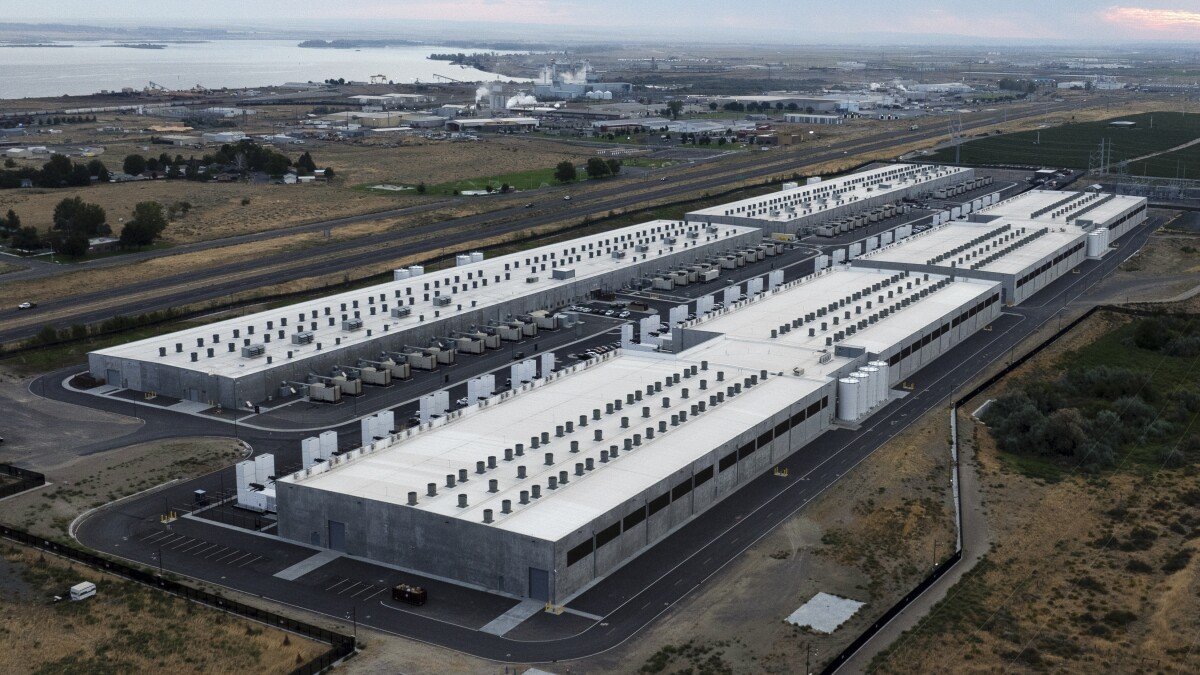
Data centers are large facilities that store, process, and manage digital information.
They support many of the services people use every day, including:
Cloud computing
Streaming platforms
Artificial intelligence systems
Online banking and commerce
Business operations and communications
As demand for technology continues to increase, so does the need for physical infrastructure to support it.
Why Denver Is Pressing Pause
According to city officials, the temporary moratorium is not necessarily a rejection of future data center development.
Instead, the goal is to better understand:
Long-term electricity demands
Water consumption requirements
Potential impacts on utility infrastructure
Land use considerations
Future regulatory needs
As Denver plans for continued population growth and development, policymakers are looking at how large-scale industrial projects fit into broader sustainability goals.
Water and Energy Are Central to the Debate
One of the primary concerns surrounding data centers is resource consumption.
Modern facilities often require significant amounts of:
Electricity for servers and computing equipment
Cooling systems that help prevent overheating
Supporting infrastructure to maintain around-the-clock operations
These concerns arrive at a time when Colorado communities are already discussing drought conditions, water conservation, and long-term energy planning.
For city leaders, the question is not simply whether data centers bring investment, but whether future growth can occur in a way that aligns with available resources.
Supporters and Critics See Different Opportunities
Like many development issues, the data center discussion includes multiple perspectives.
Supporters often point to:
Economic investment
Technology-sector growth
Expanded tax revenue
Infrastructure improvements
Meanwhile, critics and cautious policymakers have raised questions about:
Resource consumption
Environmental impacts
Long-term sustainability
Land use priorities
The one-year pause gives city officials additional time to evaluate those competing priorities before moving forward.
What This Means for Denver’s Future
The decision reflects a broader trend taking shape across many growing cities.
Communities are increasingly examining not only what gets built, but also how new development affects:
Utilities
Transportation systems
Housing growth
Environmental goals
Quality of life
As technology infrastructure expands nationwide, Denver’s approach may become part of a larger conversation about how cities manage growth responsibly.
Why Residents Are Paying Attention
While most residents may never directly interact with a data center, the issues surrounding them touch on topics that affect everyday life.
Questions around:
Water conservation
Energy reliability
Infrastructure capacity
Long-term city planning
are becoming increasingly important as Denver continues to evolve.
The pause signals that city leaders want a clearer understanding of those impacts before approving additional large-scale projects.
Final Thoughts
Denver’s one-year moratorium on new data center developments represents a pause for evaluation rather than a final decision on the industry’s future in the city.
As officials study water usage, energy demand, and infrastructure impacts, the discussion reflects a larger challenge facing many growing communities: balancing technological growth with responsible resource management.
The outcome of that conversation could influence not only future data center projects, but also how Denver approaches development and sustainability in the years ahead.
Thinking about buying or selling in Denver this year? Local policy decisions, infrastructure planning, and long-term growth strategies all play a role in shaping the future of Denver neighborhoods. Let’s talk about what these changes could mean for the market.