
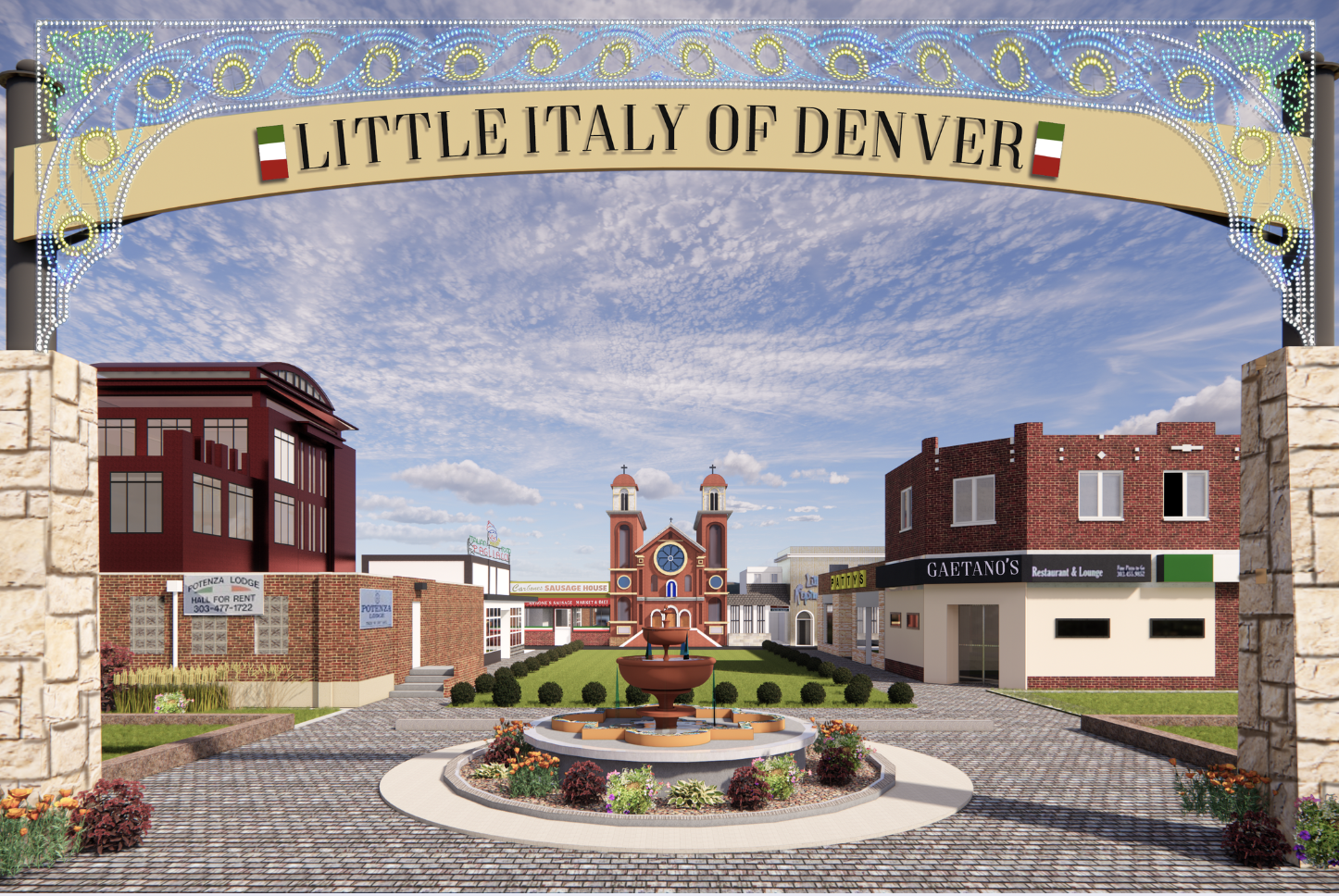
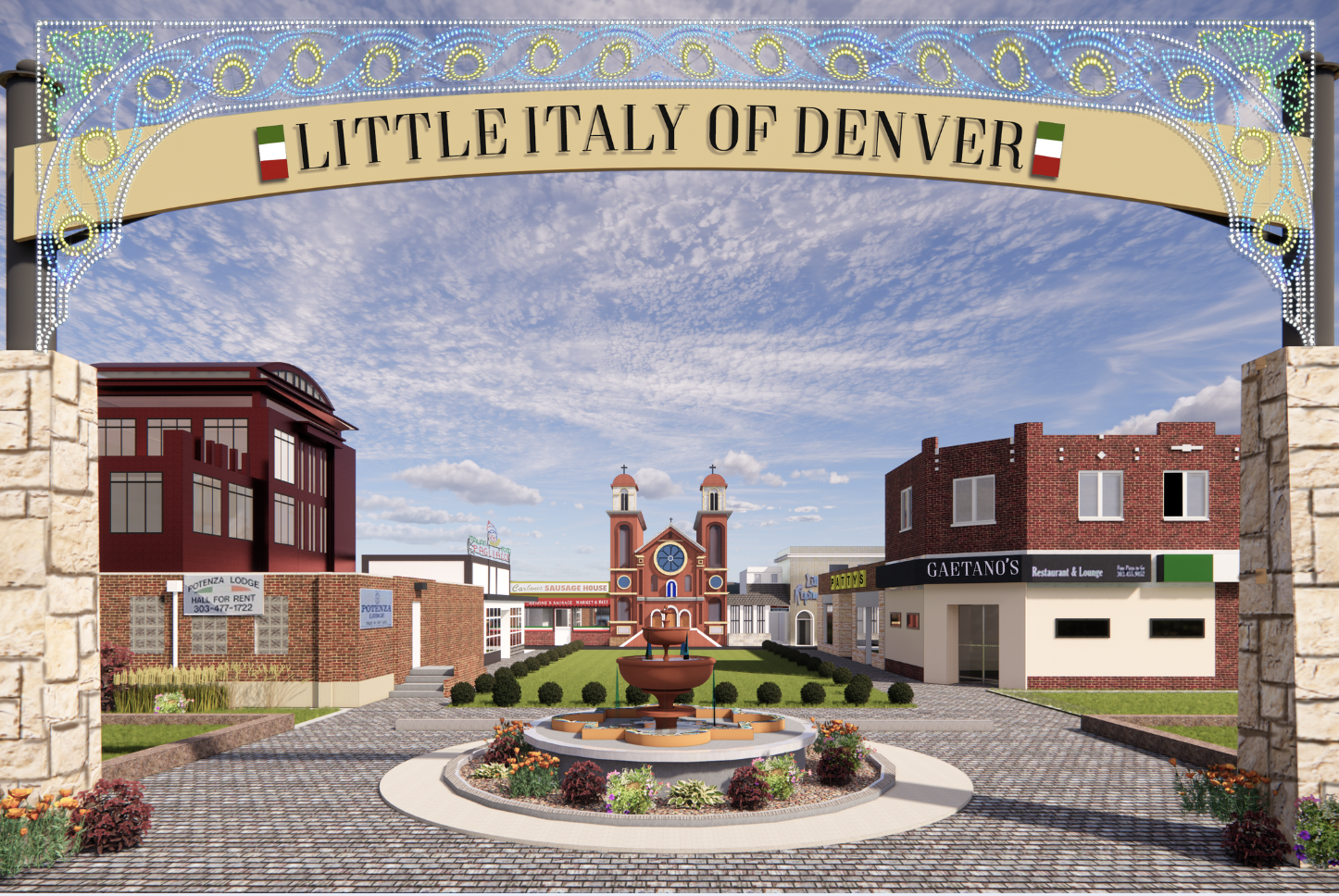
As the Denver real estate market settles into a more balanced rhythm in early 2026, conversations about neighborhood identity and preservation are becoming more visible across the city. One discussion gaining attention involves the potential creation of a new Little Italy historic district in Denver.
The proposed district would be located in North Denver, specifically within the Highland neighborhood, covering an area roughly between West 38th Avenue and West 32nd Avenue, between Zuni and Lipan Streets. This area has long been tied to Denver’s Italian heritage and remains one of the city’s most recognizable historic pockets.
While still in the conversation phase, the idea reflects a broader interest in recognizing cultural heritage while shaping how neighborhoods evolve over time. Historic districts often celebrate the traditions, architecture, and businesses that helped define a community’s character.
For residents, homeowners, and those considering a move to Denver, conversations like these highlight how culture and city planning intersect with the local housing landscape.
The History Behind Denver’s Italian Community
Denver has long been home to vibrant immigrant communities that helped shape the city’s early neighborhoods. Italian families played an important role in that history, particularly in areas such as the Highlands and North Denver.
Over time, local businesses, restaurants, churches, and social clubs helped create gathering places that reflected Italian culture and traditions. Many of these cultural roots remain part of the neighborhood’s identity today.
The idea of a Little Italy historic district aims to recognize and preserve that legacy while highlighting the contributions of those communities to Denver’s development.
What a Historic District Typically Means
Historic districts are designed to protect areas with cultural or architectural significance. In many cities, they help maintain the character of neighborhoods while promoting tourism, local businesses, and community pride.
If a Little Italy district were formally established, it could potentially include:
Cultural landmarks and historic buildings
Italian restaurants and locally owned businesses
Public art, signage, or cultural programming
Walking corridors that highlight neighborhood history
The goal of these districts is often to celebrate heritage while creating a recognizable identity within the city.
How Cultural Districts Can Shape Neighborhoods
When a neighborhood receives historic or cultural designation, it can influence how people experience the area and how development takes place in the future.
In many cities, cultural districts contribute to:
Increased visibility and tourism
New restaurant and retail activity
Neighborhood pride and preservation efforts
Walkable community gathering spaces
At the same time, these designations can also bring thoughtful conversations about balancing preservation with future growth.
What This Could Mean for Local Real Estate
From a real estate perspective, cultural districts can influence how neighborhoods evolve over time. Buyers often look for areas with strong identity, local character, and unique community experiences.
While every situation is different, historically recognized neighborhoods sometimes see:
Increased interest from buyers who value cultural charm
Strengthened local business activity
Greater attention to architectural preservation
The impact ultimately depends on how the district is planned and integrated into the broader neighborhood.
What This Means for Denver in 2026
As Denver continues to grow, conversations around preserving cultural heritage are becoming more common. Whether through historic districts, public art initiatives, or neighborhood revitalization efforts, these discussions reflect a city that is evolving while recognizing its past.
A potential Little Italy historic district would be part of that broader effort — celebrating community history while shaping how future residents experience the neighborhood.
Final Thoughts
Neighborhoods are more than streets and buildings. They’re shaped by the cultures, traditions, and communities that built them over time.
As conversations continue around a possible Little Italy historic district, it highlights the importance of honoring the stories that define Denver’s neighborhoods while planning for thoughtful growth.
If you’re curious about how cultural developments like this influence neighborhoods across Denver — or how they might impact the housing market — local insight can help put the conversation into context.
Thinking about buying, selling, or exploring Denver’s neighborhoods this year? Let’s talk through what makes each area unique.
Contact me today with any questions:
Jen Miller, REALTOR
303.521.0816
jenmiller@compass.com