
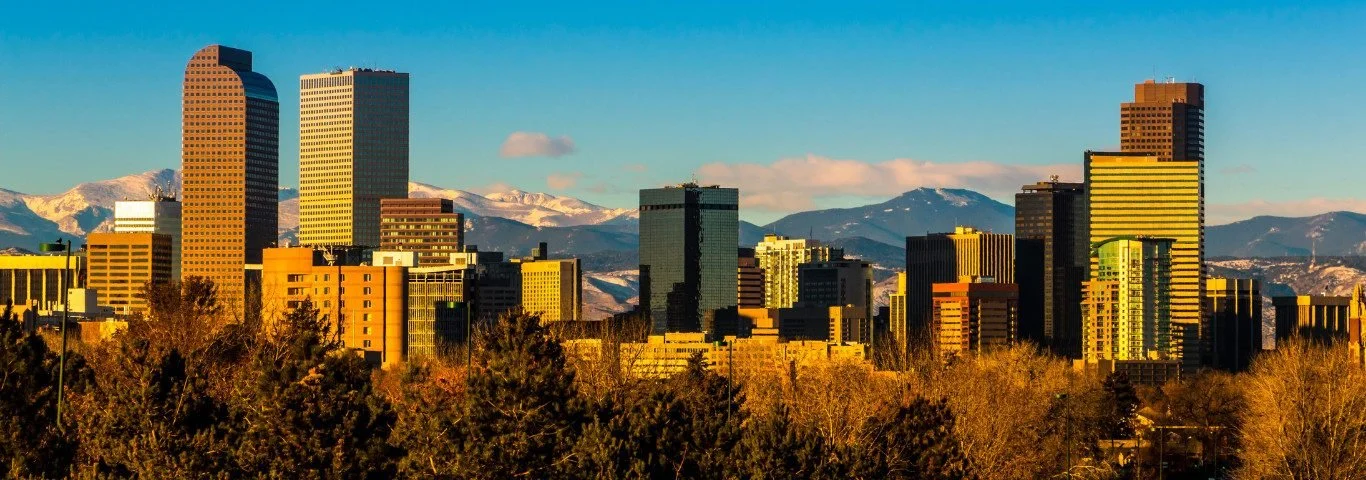
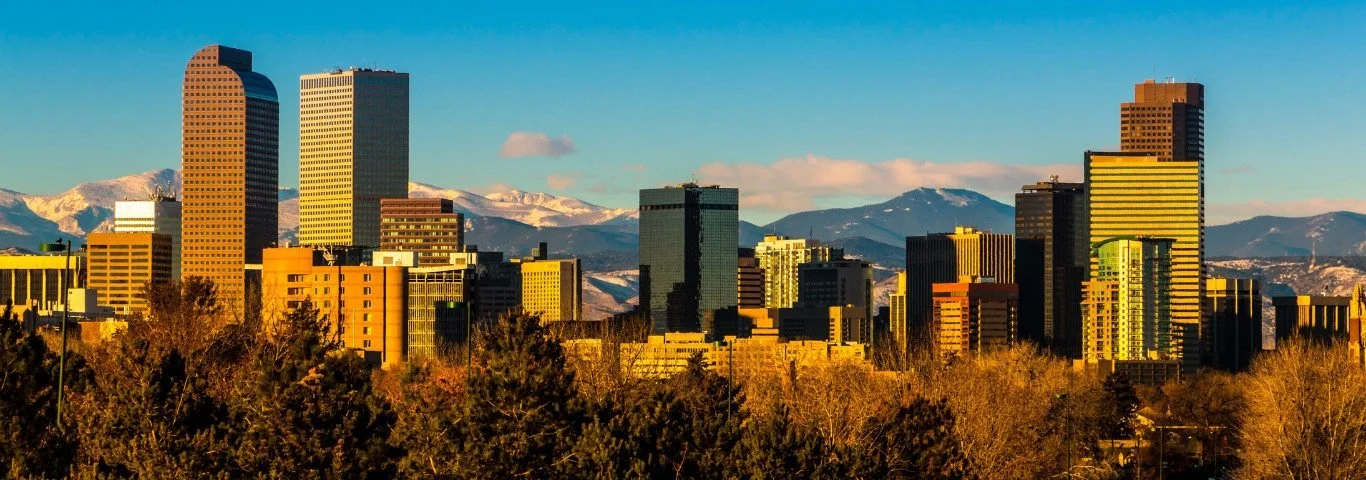
As the Denver real estate market settles into a more balanced rhythm in early 2026, one thing hasn’t changed — demand for Denver remains strong.
While the pace of the market has shifted from the rapid acceleration of previous years, interest in the city continues to be driven by population growth, lifestyle appeal, and long-term economic stability. Buyers are approaching decisions more thoughtfully, but they’re still choosing Denver.
This isn’t a short-term trend. It reflects a broader pattern of sustained demand that continues to shape the housing market.
Population Growth Continues to Support Demand
Denver has seen consistent population growth over the past decade, and that momentum hasn’t disappeared in 2026. While growth may be more measured today, it continues to support housing demand across the metro area.
What this means for the market:
A steady pipeline of new buyers entering the area
Ongoing demand across multiple price points
Continued pressure on well-located neighborhoods
Population growth remains one of the most reliable indicators of long-term housing stability — and Denver continues to benefit from it.
A Lifestyle-Driven Market Still Sets Denver Apart
Denver’s appeal has always extended beyond job opportunities. The city offers a balance of urban access and outdoor living that continues to attract a wide range of buyers.
Key lifestyle drivers include:
Proximity to the mountains and year-round recreation
Walkable neighborhoods with strong local character
Access to parks, trails, and open space
A growing food and cultural scene
Even as market conditions shift, these lifestyle factors remain consistent — and they continue to influence where people choose to live.
Market Adjustments Have Created More Balance
After several years of highly competitive conditions, Denver’s market has moved into a more balanced phase. Inventory has improved, and buyers are no longer facing the same level of urgency.
This shift has resulted in:
More options for buyers
Increased negotiation opportunities
More realistic pricing strategies
While this adjustment has changed the pace of transactions, it hasn’t reduced overall interest in the market.
Relocation Demand Remains Strong
Denver continues to attract relocation buyers from across the country. Many are drawn by the combination of lifestyle, economic opportunity, and long-term livability.
In 2026, relocation buyers are:
More deliberate in their home search
Focused on neighborhood fit and lifestyle alignment
Exploring a wider range of housing options
This steady influx of new residents continues to support both the rental and ownership markets.
What This Means for Buyers and Sellers
Denver’s continued popularity creates a market that is more stable than reactive. While conditions may fluctuate, underlying demand remains intact.
For buyers:
There is more time to evaluate options
Competition is more manageable in many segments
Opportunities exist to enter neighborhoods that were previously out of reach
For sellers:
Well-prepared homes still attract strong interest
Pricing and presentation are more important than ever
Buyer demand remains, but expectations are higher
Understanding this balance is key to making informed decisions in 2026.
Final Thoughts
Denver’s market has evolved, but its core appeal hasn’t changed. Population growth, lifestyle advantages, and long-term economic strength continue to position the city as a high-interest market.
The difference in 2026 is that both buyers and sellers have more clarity — and more opportunity to act strategically.
If you’re considering a move in Denver this year, understanding how these trends apply to your specific goals can make all the difference.
Thinking about buying or selling in Denver? Let’s talk through what today’s market looks like for you.
Contact me today with any questions:
Jen Miller, REALTOR
303.521.0816
jenmiller@compass.com