
As the Denver real estate market settles into a more balanced rhythm in early 2026, attention is shifting beyond individual transactions and toward the larger projects shaping how the city functions day to day.
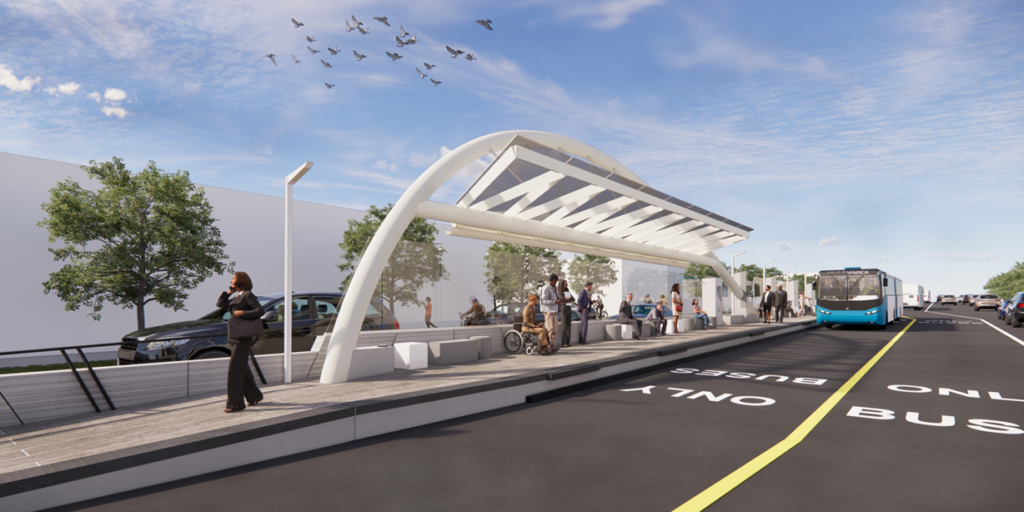
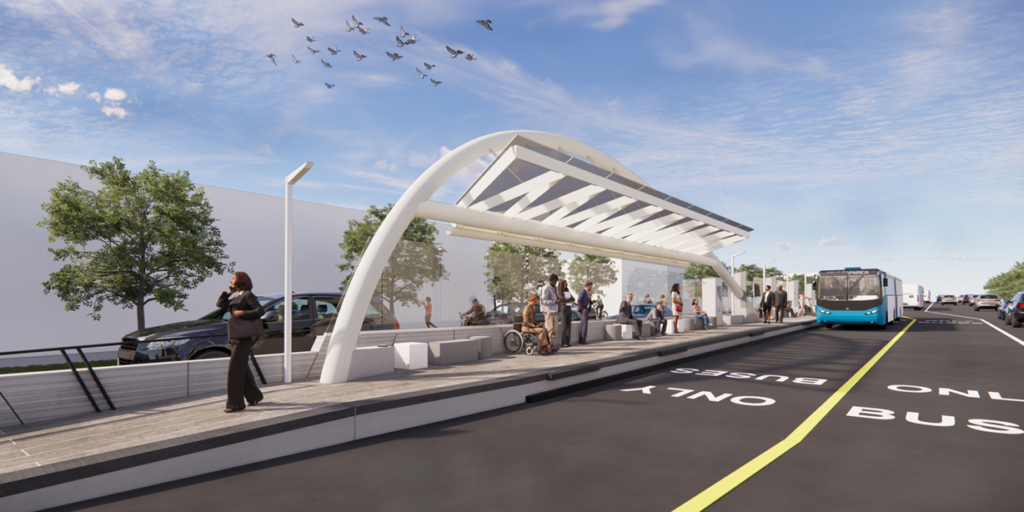
Two of the most talked-about developments right now are the future of Civic Center Park — including discussions around added amenities like a potential restaurant — and the continued advancement of the Colfax Bus Rapid Transit (BRT).
While these projects represent long-term investment in Denver’s infrastructure and public spaces, they’re also creating very real, short-term challenges — particularly for local businesses and surrounding communities.
Civic Center Park: Activation vs. Accessibility
Civic Center Park has long been one of Denver’s most central gathering spaces. Plans to activate the park with additional amenities, such as a restaurant or more programmed use, are aimed at increasing foot traffic and year-round engagement.
On paper, this kind of activation can:
Improve safety through consistent use
Encourage tourism and local activity
Strengthen connections between downtown districts
At the same time, there are ongoing conversations around how changes to the space may impact existing community dynamics — particularly for individuals who already rely on the park as a place to gather.
Balancing activation with accessibility will be an important part of how this evolves.
Colfax BRT: Long-Term Vision, Short-Term Strain
The Colfax Bus Rapid Transit project is one of the most significant infrastructure investments currently underway in Denver. The goal is to create faster, more reliable transit along one of the city’s most active corridors.
Long-term, projects like this often bring:
Improved transit access
Increased walkability
Opportunities for new development
But in the short term, the impact has been much more complex.
Many businesses along Colfax are navigating:
Reduced foot traffic due to construction
Limited access for customers
Ongoing uncertainty around timelines
For smaller, locally owned businesses, these disruptions can be difficult to absorb — and some may not make it through the construction phase.
Community Impact & Ongoing Concerns
Beyond business impacts, there are also broader conversations happening around how infrastructure changes affect the movement and distribution of people across the city.
Improved transit access can be a positive — but it can also shift patterns of where people gather, including Denver’s unhoused population. This has raised questions among residents about how neighborhoods may change over time and how the city plans to support both existing communities and vulnerable populations.
These are complex issues without simple answers, but they are part of the real, day-to-day experience of urban growth.
What This Means for Denver Real Estate
From a real estate perspective, both of these projects highlight an important dynamic: growth often comes with a transition period.
In the near term, some areas may feel:
Less convenient due to construction
More uncertain for business activity
In flux as infrastructure evolves
Over the long term, however, well-executed projects can:
Improve connectivity and accessibility
Increase neighborhood visibility
Support higher demand in transit-connected areas
The key is understanding both timelines — what’s happening now, and what may come next.
A More Nuanced Market Conversation
In 2026, buyers and sellers are paying closer attention not just to homes, but to what’s happening around them.
Questions we’re hearing more often:
“What’s being built nearby?”
“How long will construction last?”
“What will this area feel like in a few years?”
These are valid questions — and they reflect a more informed, more intentional buyer.
Final Thoughts
Denver continues to invest in its future, and projects like Civic Center Park improvements and the Colfax BRT are part of that bigger picture.
But progress isn’t always seamless. It often comes with tradeoffs — especially in the short term — and those realities are worth acknowledging.
For homeowners, buyers, and investors, understanding both the opportunities and the challenges can lead to better, more informed decisions.
If you’re watching how these developments might impact a specific neighborhood — or wondering how to factor them into your buying or selling strategy — local insight can help you see the full picture.
Thinking about making a move in Denver? Let’s talk through what’s changing — and what it could mean for you.
Contact me today with any questions:
Jen Miller , REALTOR
303.521.0816
jenmiller@compass.com