
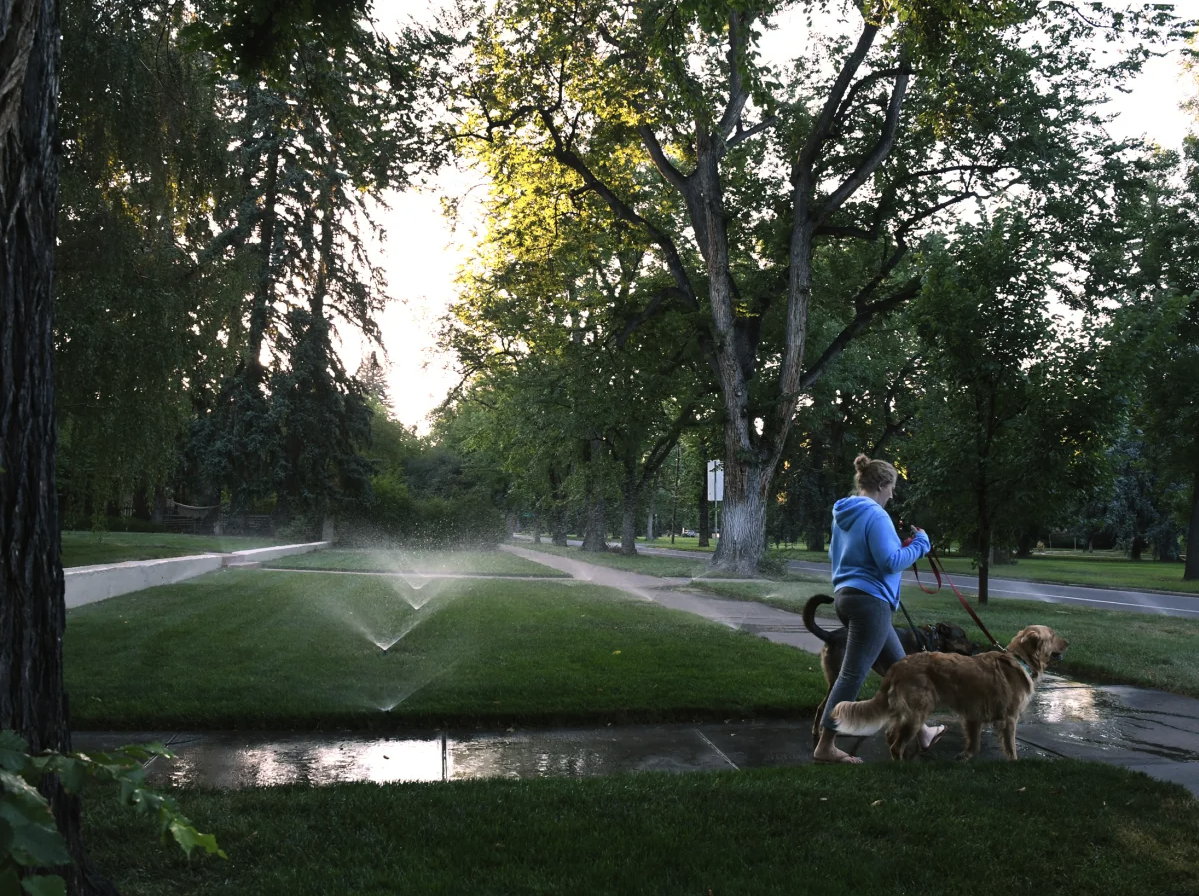
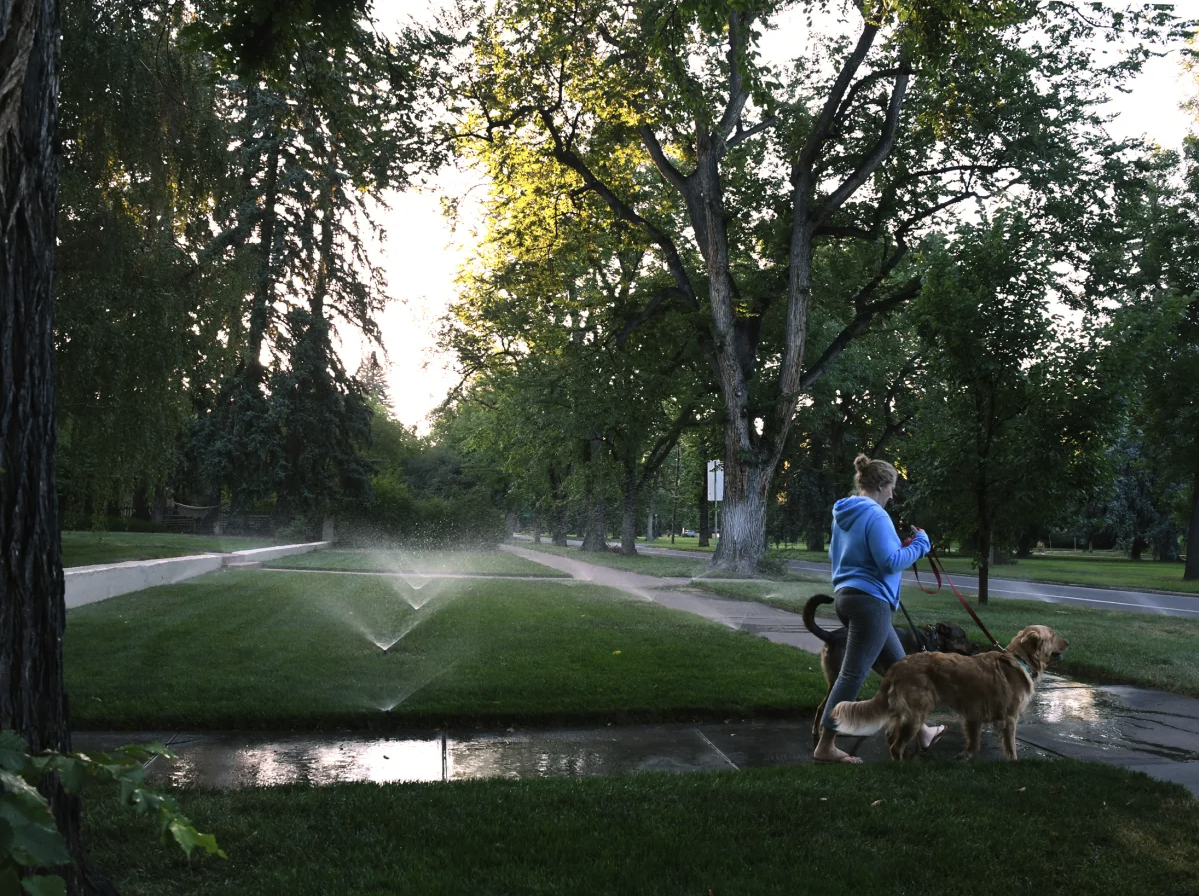
As the Denver real estate market settles into a more balanced rhythm in early 2026, homeowners are also navigating a new and important development — the city’s first Stage 1 drought declaration in over a decade.
On March 25, 2026, Denver Water officially implemented mandatory watering restrictions in response to historically low snowpack and concerning water supply levels across Colorado.
For homeowners, this isn’t just a seasonal adjustment — it’s a shift that impacts daily routines, landscaping decisions, and long-term property maintenance.
Here’s everything you need to know.
Why These Restrictions Are in Place
Denver is experiencing one of the most significant water shortages in recent history.
Key factors include:
Snowpack levels at their lowest point in nearly 40 years
The Colorado River Basin sitting at just 55% of normal levels
The South Platte River Basin at approximately 42% of normal — among the lowest on record
Even with current reservoir levels around 80% capacity (slightly below average), officials note that recovery would require an unusually strong late-season snowpack.
The goal of these restrictions is to reduce water usage across Denver by 20% in 2026.
Mandatory Watering Schedule
The city has implemented a strict, rotating watering schedule for all properties.
Single-Family Homes
Even-numbered addresses: Sunday and Thursday
Odd-numbered addresses: Wednesday and Saturday
All Other Properties
(Apartments, commercial properties, HOAs, and government buildings)
Tuesday and Friday
Watering outside of your assigned days is not permitted.
Approved Watering Hours
To reduce evaporation and improve efficiency, watering is only allowed during specific hours:
Permitted: 6:00 PM to 10:00 AM
Not allowed: 10:00 AM to 6:00 PM
Midday watering is prohibited due to high evaporation rates and reduced effectiveness.
Important Restrictions to Know
In addition to the schedule, several key rules are now in place:
Automatic irrigation systems should remain off until at least mid-to-late May
Sprinklers should not be turned on prematurely
Trees and shrubs may be hand-watered if necessary
Water should not pool in gutters, streets, or alleys
Spraying water on concrete or asphalt is prohibited
Leaking sprinkler systems must be repaired within 10 days
Watering during rain or high winds is not allowed
Cars must be washed using a hose with a shut-off nozzle
These measures are designed to reduce unnecessary water waste across the city.
Enforcement and Fines
Denver is taking enforcement seriously.
First violation: Warning
Second violation: $250 fine
Third violation: $500 fine
Homeowners are encouraged to stay informed and proactive to avoid penalties.
What Homeowners Can Do Right Now
While restrictions are mandatory, there are also proactive steps homeowners can take to adapt and conserve water effectively.
Consider the following:
Upgrade to water-efficient sprinkler heads and toilets (rebates may be available)
Evaluate landscaping and consider drought-resistant plants
Monitor irrigation systems for leaks or inefficiencies
Report water waste through Denver Water’s online system or by phone
Small adjustments can make a meaningful impact when applied consistently across the city.
What This Means for Denver Homeowners
Water restrictions like these are becoming a more important part of homeownership in Colorado. They influence not only daily maintenance, but also long-term decisions around landscaping, property upgrades, and sustainability.
For buyers, this may shape how outdoor spaces are evaluated.
For sellers, well-maintained, water-efficient landscaping can become a stronger selling point.
As environmental conditions continue to evolve, water awareness is becoming part of how Denver homeowners protect both their property and long-term value.
Final Thoughts
Denver’s Stage 1 drought restrictions reflect a broader reality — water conservation is no longer optional, it’s essential.
While the situation is serious, it also presents an opportunity for homeowners to adopt more efficient, sustainable practices that benefit both their homes and the community as a whole.
If you’re unsure how these restrictions might impact your property — or how to position your home in a changing market — local insight can help guide those decisions.
Thinking about buying or selling in Denver this year? Let’s talk through how current conditions may impact your plans.
Contact me today with any questions:
Jen Miller , REALTOR
303.521.0816
jenmiller@compass.com