
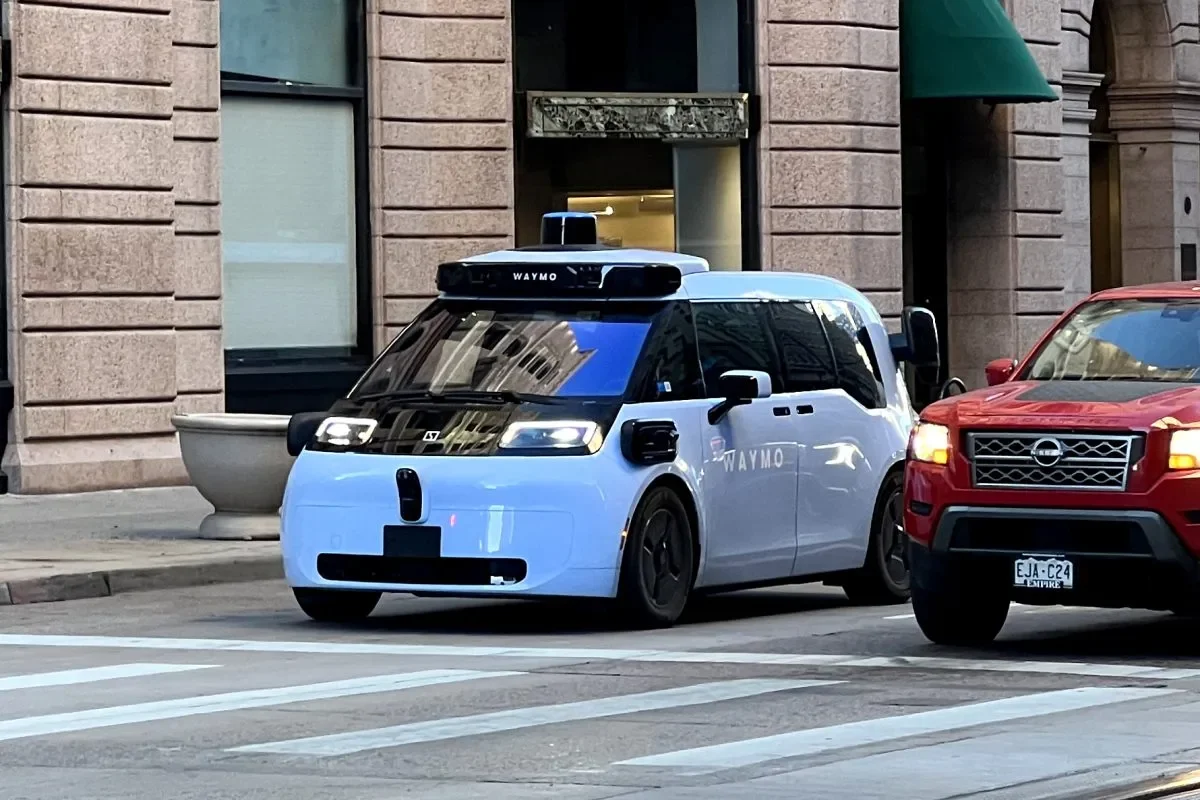
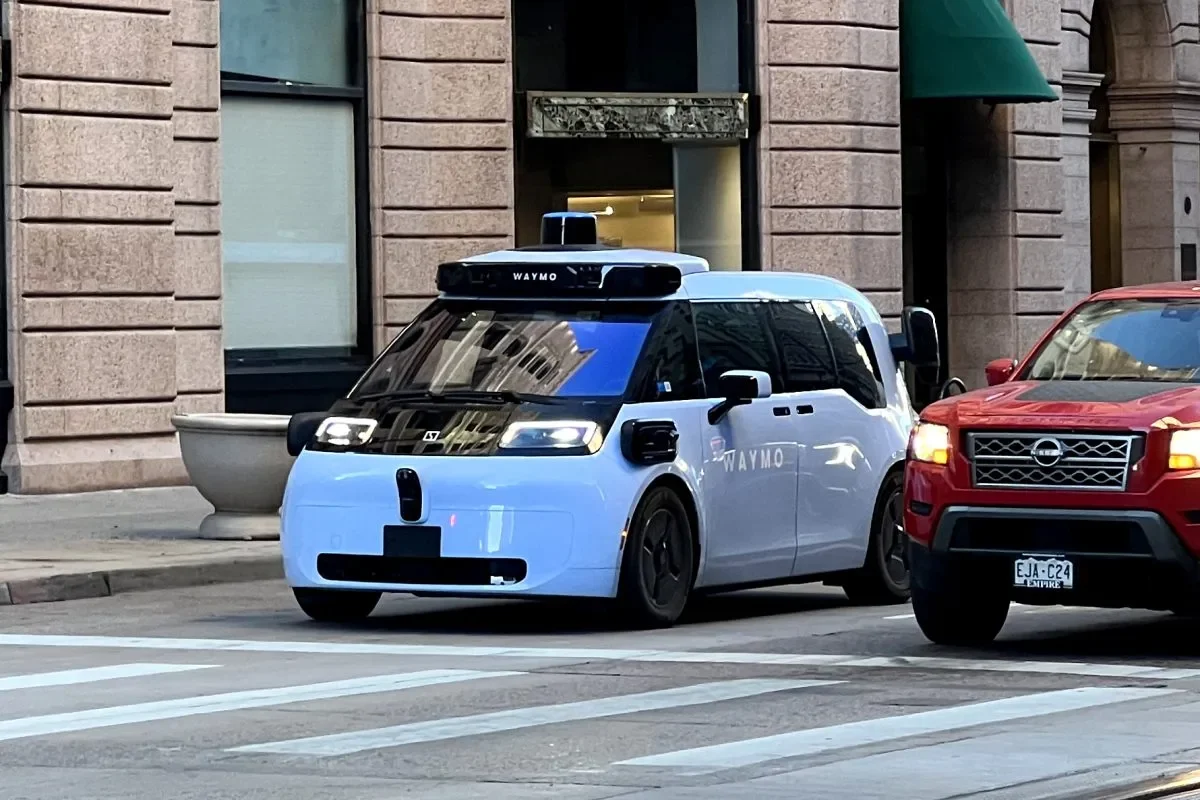
Denver has long embraced innovation, from expanding public transit to investing in smart city technology. Now, another major transportation milestone has officially arrived.
Waymo, the autonomous driving company owned by Alphabet, has begun operating fully driverless vehicles on Denver streets, making the Mile High City one of the latest metropolitan areas to welcome autonomous ride-hailing technology. While the initial rollout is currently limited to Waymo employees, public rides are expected to launch later this year as the company gradually expands service across the metro area.
For many Denver residents, it's the first real glimpse into what the future of transportation could look like, and it may have implications that extend beyond simply getting from point A to point B.
What Is Waymo?
Waymo is a self-driving technology company that operates the Waymo One ride-hailing service.
Using a combination of cameras, radar, lidar, and artificial intelligence, Waymo vehicles navigate city streets without a human driver. Riders request a trip through the Waymo app, much like other ride-hailing services, but the vehicle completes the journey entirely on its own.
The company has already established commercial operations in cities including Phoenix, San Francisco, Los Angeles, and Austin. With driverless vehicles now operating in Denver, the city joins a growing list of communities helping shape the future of autonomous transportation.
Where Is Waymo Operating in Denver?
Waymo is taking a phased approach to its Denver rollout.
The current operating area includes several central Denver neighborhoods, including:
Five Points
RiNo
Cherry Creek
Baker
Portions of the Arts District and surrounding areas
Waymo has announced that public access is expected later in 2026, with service areas likely expanding over time. Check out Waymo.com when rides will be available in your area!
Why Is This a Big Deal?
Driverless vehicles have been discussed for years, but they're now becoming part of everyday life in Denver.
For residents, autonomous ride-hailing could eventually offer another convenient transportation option for:
Trips to downtown restaurants and events
Airport transportation
Commuting without a personal vehicle
Running errands around the city
Visitors exploring Denver without renting a car
While adoption will likely happen gradually, Denver's inclusion in Waymo's expansion reflects the city's continued role as a growing hub for innovation and technology.
Could Driverless Cars Influence Real Estate?
While it's still early, many urban planners and real estate professionals are watching how autonomous transportation could influence the way people choose where to live.
Over time, expanded autonomous ride-hailing may:
Make living without a personal vehicle more practical for some residents
Increase convenience in walkable neighborhoods
Improve access between employment centers and residential communities
Support continued investment in mixed-use and transit-oriented developments
Give buyers another factor to consider when comparing neighborhoods
Transportation has always been an important part of real estate. As technology evolves, autonomous mobility may become another amenity that contributes to a neighborhood's overall appeal.
While no one can predict exactly how these services will shape the housing market, they're becoming part of the broader conversation about Denver's future growth.
Denver Continues to Evolve
Waymo's arrival is one more example of how Denver continues to adapt alongside a growing population and changing technology.
In recent years, the city has seen investments in:
Public transit improvements
Walkable mixed-use developments
Bike and trail infrastructure
Electric vehicle charging networks
Smart mobility initiatives
Autonomous vehicles are another piece of that evolving transportation network, offering residents new ways to move throughout the city.
What This Means for Denver Residents
For many people, spotting a driverless vehicle on the road may still feel like something out of a science fiction movie.
Others are eagerly waiting for the opportunity to book their first autonomous ride once public service launches.
Regardless of where you stand, Waymo's expansion signals that technologies once considered futuristic are becoming part of everyday life in Denver. It will be fascinating to watch how residents embrace the technology and how the service grows over the coming months.
Final Thoughts
Waymo's driverless vehicles are no longer just testing behind the scenes, they're officially operating on Denver streets.
Although the initial rollout is limited to employees, public rides are expected to launch later this year, marking another significant step in the evolution of transportation across the Denver metro area.
As the city continues to grow and innovate, developments like this highlight how technology, infrastructure, and neighborhood livability are becoming increasingly connected.
Thinking about buying or selling in Denver this year? From transportation improvements to new businesses and neighborhood investment, local developments help shape how communities evolve over time. If you're curious about where Denver is headed next, and what it could mean for the housing market, I'd love to help you navigate it.